
Spinal Decompression for Pinched Nerve Relief in Naperville IL
Quick Facts About Pinched Nerves
- Affects: 85 out of every 100,000 adults annually in the U.S.
- Common Symptoms: Radiating pain, numbness, tingling, muscle weakness
- Main Causes: Herniated discs, bone spurs, spinal stenosis, repetitive motions
- Treatment Success Rate: 71-89% of patients improve with conservative care
- Typical Duration: Most cases resolve within 6-12 weeks with proper treatment
- When to See a Doctor: Persistent symptoms beyond 2 weeks, progressive weakness, bladder/bowel changes
What Is a Pinched Nerve?
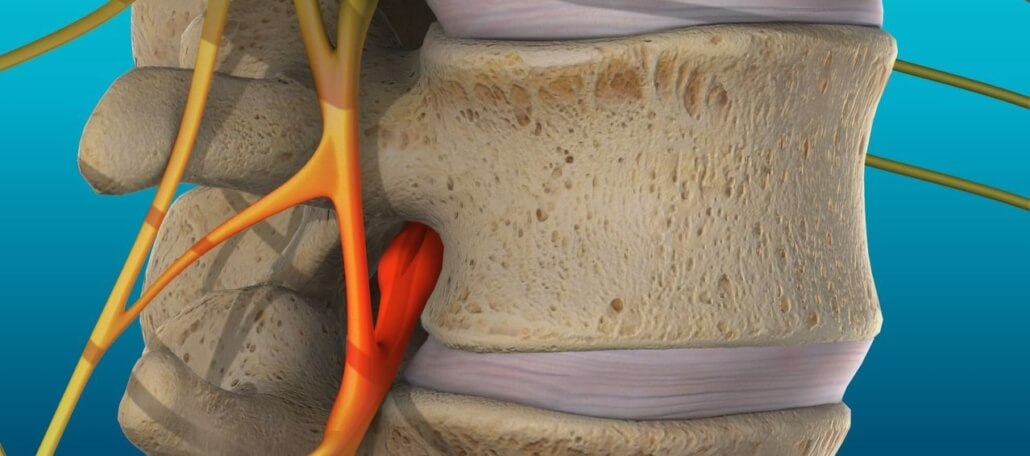
A pinched nerve occurs when surrounding tissues—such as bones, cartilage, muscles, or tendons—apply too much pressure to a nerve, disrupting its function. The medical term for this condition is radiculopathy when it affects nerve roots in the spine, which is the most common form we treat at Synergy Institute. According to the American Academy of Orthopaedic Surgeons, cervical radiculopathy alone affects approximately 85 per 100,000 people each year, with the highest rates occurring in adults aged 50-54.
The symptoms you experience depend entirely on which nerve is compressed and where. A pinched nerve in your lower back might send shooting pain down your leg—what many people recognize as sciatica. A pinched nerve in your neck could cause pain, numbness, or weakness radiating into your shoulder, arm, or hand. Either way, the underlying mechanism is the same: something is pressing on a nerve that shouldn’t be pressed.
At Synergy Institute in Naperville, Dr. Jennifer Wise has treated thousands of patients with pinched nerves over the past 25 years. Many arrive frustrated after weeks or months of pain that hasn’t responded to rest, medication, or physical therapy alone. “The challenge with pinched nerves is that you have to actually relieve the pressure on the nerve,” Dr. Wise explains. “Pain medication might help you cope, but it doesn’t change what’s physically compressing the nerve. That’s where spinal decompression becomes so valuable.”
This guide explains what causes pinched nerves, why certain treatments work better than others, and how Synergy Institute’s integrative approach helps patients find lasting relief without surgery.
Understanding Pinched Nerve Symptoms
The symptoms of a pinched nerve can range from mildly annoying to completely debilitating, depending on the severity of compression and which nerve is affected. What makes pinched nerves particularly frustrating is that the pain often appears far from where the actual problem exists.
When a nerve root is compressed in your lumbar spine (lower back), you might feel pain shooting down through your buttock, thigh, calf, and even into your foot. When compression occurs in your cervical spine (neck), symptoms typically radiate into your shoulder, arm, and fingers. This referred pain pattern confuses many patients who assume the problem must be located wherever they feel the most discomfort.
The classic symptoms include sharp or burning pain that radiates along the nerve pathway, numbness or decreased sensation in the affected area, tingling or “pins and needles” sensations, and muscle weakness that might cause you to drop things or stumble. Some patients describe the sensation as an electrical shock, while others experience a deep, aching discomfort that never quite goes away.
What distinguishes a pinched nerve from simple muscle strain is the radiating nature of the symptoms. Muscle pain typically stays localized to the injured area. Nerve pain travels—often predictably along specific pathways that correspond to the affected nerve root. A skilled practitioner can often identify exactly which nerve is involved simply by listening to where you feel symptoms.
🚨 Seek Immediate Medical Attention If You Experience:
Call 911 or go to the nearest emergency room immediately if you have:
- Sudden loss of bladder or bowel control
- Progressive weakness in both legs
- Numbness in the groin or inner thighs (saddle anesthesia)
- Severe, rapidly worsening neurological symptoms
These symptoms may indicate cauda equina syndrome, which requires emergency surgical intervention to prevent permanent nerve damage.
What Causes a Pinched Nerve?
Understanding the root cause of your pinched nerve is essential for effective treatment. While the end result is always the same—pressure on a nerve that shouldn’t be there—the structures creating that pressure can vary significantly.
The most common culprit is a herniated disc. Your spinal discs act as cushions between vertebrae, with a tough outer layer surrounding a gel-like center. When the outer layer tears or weakens, the inner material can bulge outward and press directly against nearby nerve roots. Research published in the Journal of Bone and Joint Surgery indicates that disc herniation accounts for the majority of lumbar radiculopathy cases in adults under 50.
Degenerative disc disease represents another frequent cause. As discs lose hydration and height over time, the space available for nerve roots decreases. The vertebrae may also develop bone spurs (osteophytes) as the body attempts to stabilize an increasingly unstable spine. These bone spurs can protrude into the neural foramen—the openings through which nerve roots exit the spine—and compress the nerves passing through.
Spinal stenosis, or narrowing of the spinal canal, creates a similar problem on a larger scale. Rather than a single nerve root being affected, stenosis can compress multiple nerves or even the spinal cord itself. This condition becomes increasingly common after age 50 and often coexists with other degenerative changes.
Beyond spinal causes, pinched nerves can also result from repetitive motions, prolonged awkward positioning, trauma, arthritis, and even pregnancy. Certain occupations and activities increase risk substantially—jobs requiring repetitive lifting, extended computer work, or vibrating equipment all correlate with higher rates of nerve compression injuries.
Why Conventional Treatments Often Fall Short
If you’ve been living with a pinched nerve for any length of time, you’ve probably already tried several approaches that provided little lasting relief. Understanding why these treatments often fail helps explain why a different approach may be necessary.
Over-the-counter pain medications like ibuprofen and naproxen can reduce inflammation and temporarily ease discomfort, but they do nothing to address the physical compression causing your symptoms. The moment the medication wears off, the pain returns—because the nerve is still being pinched. Long-term use of these medications also carries significant risks, including gastrointestinal bleeding and kidney problems.
Prescription muscle relaxants and stronger pain medications face the same fundamental limitation. They may help you cope with symptoms, but they cannot change the structural problem creating those symptoms. A 2019 study in the Annals of Internal Medicine found that for acute radicular pain, there was no significant difference in outcomes between patients taking opioids versus placebo at three months—suggesting these powerful medications may not even provide meaningful short-term benefits.
Epidural steroid injections deliver anti-inflammatory medication directly to the affected area and can provide temporary relief for some patients. However, research from the New England Journal of Medicine shows that while injections may reduce pain in the short term, they don’t improve long-term outcomes compared to conservative care alone. Repeated injections may also weaken surrounding tissues over time.
Physical therapy strengthens supporting muscles and improves flexibility, which can be valuable components of recovery. However, physical therapy alone often cannot create enough space to relieve direct nerve compression from a herniated disc or bone spur. This explains why many patients complete weeks of physical therapy yet continue experiencing significant symptoms.
How Spinal Decompression Relieves Pinched Nerves
Spinal decompression therapy works differently than other conservative treatments because it directly addresses the mechanical compression causing your symptoms. Rather than masking pain or strengthening surrounding structures, decompression creates physical space for the pinched nerve to recover.
The treatment uses a computerized table that applies precisely controlled traction to your spine. This gentle, cyclical stretching creates negative pressure within the spinal discs—a phenomenon documented in research published in Neurological Research. This negative intradiscal pressure has several beneficial effects for patients with pinched nerves.
First, it helps retract bulging or herniated disc material away from compressed nerve roots. Second, it increases the space within the neural foramen where nerves exit the spine. Third, the pumping action of cyclical decompression promotes nutrient and oxygen flow to damaged disc tissue, supporting the body’s natural healing processes.
Dr. Wise brought spinal decompression to Illinois in 2002—making Synergy Institute one of the first clinics in the state to offer this technology. Over two decades of experience has refined our protocols and taught us which patients respond best and how to optimize treatment for different types of nerve compression.
Unlike surgery, which removes tissue to create space, spinal decompression works with your body’s natural healing capacity. There’s no cutting, no anesthesia, no lengthy recovery period. Most patients find the treatment comfortable—many actually fall asleep during sessions. And because we’re not permanently altering your anatomy, there’s no risk of the surgical complications that lead some patients to end up worse than before their procedure.
Synergy Institute’s Integrative Treatment Approach
While spinal decompression serves as the cornerstone of our pinched nerve treatment, we’ve found that combining multiple therapies produces superior outcomes compared to any single treatment alone. This integrative philosophy defines the Synergy approach.
Our treatment protocol typically unfolds in phases, each building on the progress achieved in the previous stage. During the first two weeks, we focus on calming your nervous system and reducing the acute inflammation surrounding the compressed nerve. This phase incorporates acupuncture, which research from the National Center for Complementary and Integrative Health has shown can effectively reduce chronic pain through multiple mechanisms. We also use Nerve Regenerator electrotherapy, which targets deep tissue to reduce inflammation and promote nerve and disc healing, along with MLS deep tissue laser to accelerate cellular repair.
As inflammation subsides, we introduce spinal decompression sessions and gentle chiropractic adjustments to begin correcting the structural issues creating nerve compression. SoftWave therapy may be added during this phase to break up adhesions and stimulate regenerative healing in damaged tissues.
The third phase intensifies decompression treatment while continuing supportive therapies. Most patients begin noticing significant improvement during this period—typically weeks four through eight. We also introduce home exercises designed to maintain the space we’ve created and prevent recurrence.
The final phase focuses on stabilization and long-term prevention. Treatment frequency decreases as your body learns to maintain its improved alignment. We establish a maintenance schedule tailored to your specific risk factors and lifestyle demands. The goal isn’t just resolving your current episode—it’s preventing future ones.
Treatment Comparison
| Treatment | How It Works | Effectiveness | Time to Relief | Addresses Root Cause? |
|---|---|---|---|---|
| Pain Medications | Masks symptoms | 40-50% symptom relief | Hours | No |
| Epidural Injections | Reduces inflammation | 50-70% short-term | 1-2 weeks | Partially |
| Physical Therapy | Strengthens support | 50-60% improve | 4-8 weeks | Partially |
| Spinal Decompression | Relieves compression | 71-89% improve | 2-6 weeks | Yes |
| Surgery | Removes tissue | 70-85% improve | 3-6 months recovery | Yes |
Who Responds Best to Spinal Decompression?
Not every pinched nerve requires spinal decompression, and not every patient is an ideal candidate. Being honest about who we can help—and who might be better served elsewhere—is part of providing ethical care.
The patients who typically see the best results are those whose pinched nerve stems from disc problems: herniation, bulging, or degeneration. When imaging shows disc material compressing a nerve root, decompression therapy can often help retract that material and relieve pressure. Patients whose symptoms follow a clear dermatomal pattern—meaning the pain, numbness, or tingling travels along a predictable nerve pathway—also tend to respond well.
We also see excellent outcomes in patients who have tried other conservative treatments without success. If you’ve done physical therapy, taken medications, and perhaps even received injections but still have significant symptoms, decompression offers a different mechanism that may succeed where other approaches failed.
Certain patients should not undergo spinal decompression. This includes those with spinal fractures, tumors, severe osteoporosis, spinal fusion hardware at the treatment level, or advanced spinal instability. Pregnancy is also a contraindication. During your initial consultation, Dr. Wise will review your history and imaging to determine whether decompression is appropriate for your specific situation. If it isn’t, she’ll tell you directly and help you find the right path forward.
Pinched Nerve Treatment in Naperville
Synergy Institute has served the Naperville area since 1999, and Dr. Jennifer Wise has built a reputation for successfully treating complex cases that haven’t responded to conventional approaches. Our clinic on Route 59 offers convenient access for patients throughout DuPage and Will Counties, including Plainfield, Bolingbrook, Aurora, and Oswego.
What sets Synergy apart isn’t just our technology—though we do offer one of the most comprehensive arrays of non-surgical treatment options in the area. It’s our philosophy of treating the whole person rather than just the symptom. A pinched nerve doesn’t exist in isolation. It develops within the context of your posture, your occupation, your activities, your overall spinal health. Effective treatment must address all of these factors.
Our multidisciplinary team approach means you’re not being shuffled between unconnected providers. Your chiropractor, acupuncturist, and therapy team work together, communicating about your progress and adjusting your treatment plan as needed. This coordination produces better outcomes than fragmented care delivered across multiple facilities.
We accept most major insurance plans, including Blue Cross Blue Shield and Aetna, for covered services. Our team will verify your benefits before treatment begins so you understand your financial responsibility upfront. For treatments not covered by insurance, we offer payment plans to make care accessible.
Frequently Asked Questions
How long does it take to relieve a pinched nerve with spinal decompression?
Most patients notice improvement within two to four weeks, though some experience relief after just a few sessions. A typical treatment protocol involves 15-20 sessions over six to eight weeks. Factors affecting response time include the severity and duration of compression, underlying cause, and your body’s individual healing capacity.
Can a pinched nerve heal on its own?
Some pinched nerves do resolve without treatment, particularly those caused by temporary inflammation or minor compression. However, pinched nerves caused by disc herniation, bone spurs, or stenosis rarely improve significantly without intervention. Waiting too long can lead to chronic symptoms and, in some cases, permanent nerve damage.
What’s the difference between a pinched nerve and sciatica?
Sciatica is actually a specific type of pinched nerve—it refers to compression of the sciatic nerve roots in the lower lumbar spine. “Pinched nerve” is a broader term that can describe compression anywhere in the spine or body. All sciatica is caused by a pinched nerve, but not all pinched nerves cause sciatica.
Is spinal decompression painful?
No. Most patients find the treatment quite comfortable. You’ll feel a gentle stretching sensation in your spine, but it shouldn’t be painful. Many patients relax so deeply during sessions that they fall asleep. If you ever experience discomfort, the computerized system can be adjusted immediately.
Does insurance cover spinal decompression for pinched nerves?
Coverage varies by plan. Many insurance plans cover the chiropractic components of your treatment. Spinal decompression may be covered under traction therapy benefits. Our team will verify your specific coverage before treatment begins. Call or text (630) 454-1300 for a complimentary benefits check.
How do I know if I need surgery for my pinched nerve?
Surgery is typically reserved for patients who don’t improve after several months of comprehensive conservative care, those with progressive neurological deficits (increasing weakness or loss of function), or emergency situations like cauda equina syndrome. The vast majority of pinched nerve cases—estimates suggest 80-90%—resolve without surgery.
Take the Next Step
Living with a pinched nerve means living with constant reminders of your limitations—the activities you avoid, the positions that trigger pain, the sleep you’ve lost to discomfort. It doesn’t have to stay this way.
At Synergy Institute, we’ve helped thousands of patients find relief from pinched nerves through our integrative approach combining spinal decompression, acupuncture, chiropractic care, and advanced therapies. Dr. Jennifer Wise will personally evaluate your condition, review any imaging you have, and give you an honest assessment of whether our approach can help.
If you’re ready to find out if spinal decompression is right for your pinched nerve, the first step is a consultation at our Naperville clinic.
📞 Call or text (630) 454-1300 to schedule your consultation.
Office: (630) 355-8022
Synergy Institute Acupuncture & Chiropractic 4931 Illinois Route 59, Suite 121 Naperville, IL 60564
Serving Naperville, Plainfield, Bolingbrook, Aurora, Oswego, and the western Chicago suburbs since 1999.
Medical Disclaimer
Medical Disclaimer: This content is for informational purposes only and does not constitute medical advice. Always consult with a qualified healthcare provider before making any medical decisions or beginning any treatment program. Never delay or disregard professional medical advice based on information from this article. If you are experiencing a medical emergency, call 911 immediately.
The content on this page represents the experience and opinions of Synergy Institute Acupuncture & Chiropractic and Dr. Jennifer Wise, DC. Individual results may vary. The treatments and outcomes described are not guaranteed and may not be typical for all patients.
References
- Iyer S, Kim HJ. (2016). Cervical radiculopathy. Current Reviews in Musculoskeletal Medicine, 9(3), 272-280. https://www.ncbi.nlm.nih.gov/pmc/articles/PMC4958381/
- Apfel CC, Cakmakkaya OS, Martin W, et al. (2010). Restoration of disk height through non-surgical spinal decompression is associated with decreased discogenic low back pain. BMC Musculoskeletal Disorders, 11, 155.
- Riew KD, et al. (2000). The effect of nerve-root injections on the need for operative treatment of lumbar radicular pain. Journal of Bone and Joint Surgery, 82(11), 1589-1593.
- Kreiner DS, et al. (2014). An evidence-based clinical guideline for the diagnosis and treatment of lumbar disc herniation with radiculopathy. Spine Journal, 14(1), 180-191.
- Friedman BW, et al. (2019). Opioids and NSAIDs for acute radiculopathy. Annals of Internal Medicine, 170(3), 199-207.
- Friedly JL, Comstock BA, Turner JA, et al. (2014). A randomized trial of epidural glucocorticoid injections for spinal stenosis. New England Journal of Medicine, 371(1), 11-21.
- Ramos G, Martin W. (1994). Effects of vertebral axial decompression on intradiscal pressure. Journal of Neurosurgery, 81(3), 350-353.