
Cervical Decompression for Cervical Stenosis in Naperville IL
You’ve just received a diagnosis you weren’t expecting: cervical stenosis. The MRI shows narrowing in your neck, and now you’re dealing with pain that shoots down your arm, numbness in your fingers, or a stiff neck that never seems to loosen up. Maybe a specialist mentioned surgery, and you left that appointment feeling like your options were limited.
Here’s what we want you to know: surgery isn’t the only answer for most people with cervical stenosis. At Synergy Institute in Naperville, Dr. Jennifer Wise has spent over 25 years helping patients find relief from neck conditions — many of whom were told surgery was their only option. The key is understanding what’s actually causing your stenosis and matching the right treatment to your specific situation.
In this article, you’ll learn what cervical stenosis really is, why it causes those frustrating symptoms, and how treatments like cervical decompression, SoftWave therapy, and other non-surgical options may help you get your life back. Most importantly, you’ll understand when these treatments work best — and when they don’t.
Quick Facts: Cervical Stenosis
| Fact | Details |
|---|---|
| Who it affects | 4.9% of adults; increases to 9% in those over 70 |
| Most common cause | Age-related degenerative changes (disc problems, bone spurs) |
| Common symptoms | Neck pain, arm pain/numbness, hand weakness, balance issues |
| Non-surgical success | 92.6% of patients manage symptoms without surgery |
| Treatment timeline | Typically 4-8 weeks of consistent treatment |
What Is Cervical Stenosis?
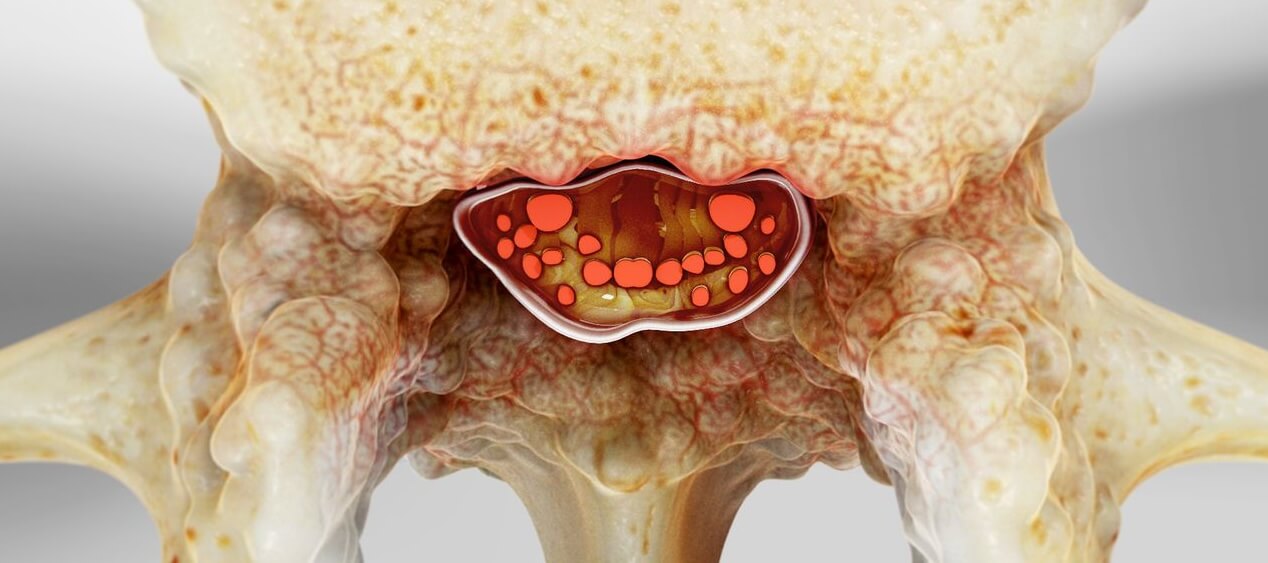
Cervical stenosis is the narrowing of the spinal canal in your neck. This narrowing puts pressure on your spinal cord or the nerve roots that branch off from it, causing pain, numbness, weakness, and other symptoms that can significantly affect your daily life.
Your cervical spine consists of seven vertebrae (C1-C7) that protect your spinal cord — the main highway of your nervous system connecting your brain to the rest of your body. When the space inside this protective canal shrinks, the delicate neural tissue gets compressed.
There are two main types:
- Central stenosis — narrowing of the main spinal canal, which can compress the spinal cord itself
- Foraminal stenosis — narrowing of the small openings where nerve roots exit the spine, compressing individual nerves
Cervical stenosis differs from lumbar (lower back) stenosis in one critical way: the spinal cord runs through your neck, so compression here can affect not just your arms and hands, but potentially your legs, balance, and coordination as well.
What Causes Cervical Stenosis — And Why It Matters for Treatment
Understanding what’s causing YOUR stenosis is crucial because it determines which treatments will actually help. Stenosis isn’t one-size-fits-all.
Disc-Related Causes
Herniated or bulging discs push backward into the spinal canal, taking up space and compressing nerves. The good news? Disc-related stenosis often responds very well to cervical decompression therapy because decompression creates negative pressure that can help retract the disc material.
Degenerative disc disease (DDD) causes discs to lose height and moisture over time. As discs flatten, the space between vertebrae decreases, potentially narrowing the canal and foraminal openings. Decompression therapy can help restore disc height and promote healing.
Bony Causes
Bone spurs (osteophytes) are bony growths that form as your spine tries to stabilize itself. They commonly develop around the facet joints and can extend into the spinal canal.
Facet joint hypertrophy occurs when the small joints connecting your vertebrae enlarge due to arthritis, encroaching on the available space.
Ligament thickening — particularly the ligamentum flavum — can buckle into the canal and contribute to narrowing.
Why This Matters
Here’s what most clinics won’t tell you: non-surgical cervical decompression works best when stenosis involves disc problems — herniation, bulging, or DDD. The therapy creates negative pressure within the disc, which can retract bulging material and promote healing.
When stenosis is primarily caused by bone spurs or calcified ligaments, decompression alone may have limited benefit for addressing those specific structural changes. However, that doesn’t mean we can’t help. At Synergy Institute, we have multiple tools to address different components of your condition — more on that shortly.
The bottom line: We need to review your MRI to understand what’s causing YOUR stenosis before recommending a treatment plan.
Symptoms of Cervical Stenosis
Cervical stenosis symptoms depend on whether the spinal cord, nerve roots, or both are being compressed.
Common Symptoms
- Neck pain and stiffness — often worse with certain positions or at the end of the day
- Arm pain — may radiate from neck through shoulder and down the arm
- Numbness or tingling — commonly in the hands, fingers, or arms
- Weakness — difficulty gripping objects, dropping things, or fine motor problems
- Hand clumsiness — trouble buttoning shirts or writing
Symptoms Suggesting Spinal Cord Involvement (Myelopathy)
When the spinal cord itself is compressed, you may experience:
- Balance problems or unsteady gait
- Leg weakness or stiffness
- Coordination difficulties
- A feeling like your legs don’t go where you want them to
🚨 Emergency Warning Signs — Seek Immediate Medical Care
Contact a doctor immediately or go to the emergency room if you experience:
- Sudden severe weakness in arms or legs
- Loss of bladder or bowel control
- Rapidly worsening symptoms over hours or days
- Difficulty walking that develops quickly
- Numbness in the groin area
These symptoms may indicate severe spinal cord compression requiring urgent evaluation.
Treatment Options for Cervical Stenosis
The good news: research shows that over 92% of cervical stenosis patients can be treated successfully without surgery. The key is finding the right combination of treatments for your specific situation.
Treatment Comparison
| Treatment | How It Works | Best For | Invasiveness |
|---|---|---|---|
| Cervical Decompression | Creates space, reduces disc pressure | Disc-related stenosis, DDD | Non-invasive |
| SoftWave Therapy | Reduces inflammation, promotes tissue healing | Inflammation around stenosis, soft tissue damage | Non-invasive |
| Laser Therapy (MLS/K-Laser) | Decreases pain and inflammation at cellular level | Pain relief, accelerating healing | Non-invasive |
| Chiropractic Care | Restores alignment and mobility | Joint dysfunction, muscle tension | Non-invasive |
| Physical Therapy | Strengthens supporting muscles | Stability, posture correction | Non-invasive |
| Epidural Injections | Delivers anti-inflammatory medication | Temporary pain relief | Minimally invasive |
| Surgery (Laminectomy, ACDF) | Removes bone/tissue causing compression | Severe cases, failed conservative care | Invasive |
When Surgery May Be Needed
Surgery is typically reserved for patients who:
- Have severe or rapidly progressive neurological deficits
- Experience myelopathy symptoms (spinal cord compression signs)
- Have failed comprehensive conservative treatment
- Have structural issues that cannot be addressed non-surgically
At Synergy Institute, we believe in exhausting conservative options first — but we’ll also tell you honestly if we think surgery is your best path forward.
How Cervical Decompression Helps Stenosis
Cervical decompression is a non-surgical therapy that gently stretches the cervical spine to relieve pressure on compressed discs and nerves.
How It Works
The treatment creates negative pressure (a vacuum effect) within the spinal discs. This negative pressure:
- Retracts herniated or bulging disc material back toward the center of the disc
- Increases space between vertebrae to relieve nerve compression
- Promotes nutrient and oxygen flow to damaged discs, supporting healing
- Reduces pressure on nerve roots to alleviate pain, numbness, and tingling
The Back On Trac Difference
At Synergy Institute, we use the Back On Trac spinal decompression system by Ergo-Flex Technologies. This FDA-cleared device is a computer-controlled chair — not a traditional traction table.
What makes it different:
- You sit comfortably, then the chair gently reclines you onto your back
- No harness or restraints required — you’re never strapped down
- 21 automated protocols customized to your specific condition
- Combines axial traction with lateral flexion, heat therapy, and vibration
- 15-20 minute sessions; most patients find it so relaxing they fall asleep
- Return to normal activities immediately — no downtime
Treatment Protocol
| Phase | Timeframe | Frequency | Focus |
|---|---|---|---|
| Intensive | Weeks 1-2 | 3-5 sessions/week | Acute pain relief |
| Corrective | Weeks 3-6 | 2-3 sessions/week | Disc healing, structural improvement |
| Stabilization | Weeks 7-8+ | 1-2 sessions/week | Maintaining gains |
Most patients complete 15-25 sessions over 4-8 weeks.
Synergy’s Integrative Approach: More Than Just Decompression
Here’s what sets Synergy Institute apart: we don’t rely on a single treatment. We have a complete toolkit to address cervical stenosis from multiple angles.
Why this matters for stenosis: Your stenosis may involve disc problems, inflammation, muscle tension, joint dysfunction, and nerve irritation all at once. Addressing only one piece often isn’t enough.
Our Treatment Options for Cervical Stenosis
Cervical Decompression Best for disc-related stenosis. Creates space, promotes disc healing, relieves nerve pressure.
SoftWave Therapy Uses acoustic waves to reduce inflammation and promote tissue regeneration. This FDA-cleared treatment activates your body’s own stem cells to heal damaged tissue. Particularly helpful when stenosis involves inflammation around bone spurs or other structural changes that decompression alone can’t address.
MLS Laser Therapy Penetrates deep into tissue to reduce pain and inflammation at the cellular level. Accelerates healing and can provide relief even when structural changes are present.
Chiropractic Care Dr. Wise is a Palmer College of Chiropractic graduate with 25+ years of experience. Gentle chiropractic adjustments can restore proper joint motion, reduce muscle tension, and improve overall spinal function.
Acupuncture Reduces pain, decreases inflammation, and supports the body’s natural healing processes. Many stenosis patients find significant relief with acupuncture as part of their treatment plan.
How We Match Treatment to YOUR Stenosis
When you come to Synergy Institute, we don’t guess. We review your MRI and examine you to understand:
- Is your stenosis primarily disc-related, bony, or mixed?
- Which levels are affected?
- How severe is the narrowing?
- What symptoms are you experiencing?
Then we create a customized treatment plan. For some patients, cervical decompression is the primary treatment. For others, SoftWave and laser therapy may be more appropriate. Most patients benefit from a combination approach.
Who Is a Good Candidate for Treatment?
You May Be a Good Candidate If:
- Your stenosis involves disc herniation, bulging discs, or degenerative disc disease
- You have neck pain with or without arm symptoms
- You’ve been diagnosed with a cervical herniated disc contributing to stenosis
- You experience arm pain and numbness from nerve compression
- Conservative treatments like medication or physical therapy haven’t provided lasting relief
- You want to explore non-surgical options before considering surgery
Candidacy Depends on Your MRI
We can’t emphasize this enough: whether cervical decompression or other treatments are right for you depends on what’s actually causing your stenosis. Some patients with bone spurs can still benefit significantly — it depends on the location, severity, and whether there’s a disc component.
Dr. Wise’s approach: “I review every patient’s imaging personally. If I don’t think we can help you, I’ll tell you directly. I’d rather refer you to someone who can help than waste your time and money on treatments that won’t work for your specific situation.”
You May NOT Be a Candidate If You Have:
- Severe spinal instability
- Recent spinal fractures
- Spinal tumors or cancer affecting the spine
- Severe osteoporosis
- Certain types of spinal hardware (evaluation required)
- Grade 3 or higher spondylolisthesis
What to Expect at Synergy Institute
Your First Visit
Your initial consultation includes:
- Comprehensive evaluation — We’ll discuss your symptoms, history, and goals
- MRI review — Dr. Wise will examine your imaging to understand exactly what’s causing your stenosis
- Honest assessment — You’ll know whether you’re a good candidate and which treatments we recommend
- Treatment plan — If appropriate, we may begin treatment the same day
During Treatment
If cervical decompression is part of your plan, here’s what to expect:
- You’ll sit in the Back On Trac chair — it looks more like a comfortable recliner than medical equipment
- The chair gently reclines you onto your back with full arm and leg support
- Treatment lasts 15-20 minutes
- Most patients describe it as deeply relaxing
- You can drive yourself home and return to normal activities immediately
Complementary Care
Depending on your treatment plan, your visits may also include chiropractic adjustments, SoftWave sessions, laser therapy, or acupuncture. Having all these services under one roof means coordinated care without running to multiple appointments.
Why Choose Synergy Institute in Naperville
The Synergy Difference
Pioneer in Spinal Decompression Synergy Institute was the first clinic in Illinois to offer spinal decompression therapy back in 2002. Dr. Wise has worked with 8+ decompression systems over 20+ years and selected the Back On Trac for its superior technology and patient comfort.
25+ Years of Experience Dr. Jennifer Wise has been treating neck and spine conditions since 2000. As a Palmer College of Chiropractic graduate, she brings deep expertise in non-surgical spine care.
Integrative Approach Unlike clinics that offer only one treatment, Synergy Institute provides decompression, SoftWave, laser therapy, chiropractic, acupuncture, and physical therapy — all under one roof. We match the treatment to your condition, not the other way around.
Honest Assessment We’ll tell you upfront if we can help — and if we can’t. Our reputation is built on results, not on selling treatments that won’t work for your specific situation.
Serving Naperville and Surrounding Communities
Synergy Institute serves patients from Naperville, Plainfield, Bolingbrook, Aurora, Oswego, and throughout DuPage and Will Counties.
Contact Us: 📞 Call or text: 630-454-1300 📍 4931 Illinois Route 59, Suite 121, Naperville, IL 60564
Frequently Asked Questions
What is cervical stenosis?
Cervical stenosis is the narrowing of the spinal canal in your neck, which puts pressure on your spinal cord or nerve roots. This compression causes symptoms like neck pain, arm pain, numbness, tingling, and weakness. It’s most commonly caused by age-related changes including disc problems, bone spurs, and thickened ligaments.
Can cervical stenosis be treated without surgery?
Yes, in most cases. Research shows that over 92% of cervical stenosis patients can manage their condition successfully without surgery. Non-surgical options include cervical decompression, SoftWave therapy, laser treatment, chiropractic care, physical therapy, and medication. Surgery is typically reserved for severe cases or those who don’t respond to conservative treatment.
Does cervical decompression work for stenosis?
Cervical decompression works best when stenosis is caused by disc problems like herniation, bulging, or degenerative disc disease. The therapy creates space and promotes disc healing. When stenosis involves significant bone spurs, decompression may have limited benefit for those specific changes, but other treatments like SoftWave and laser therapy can help reduce pain and inflammation.
How many decompression sessions will I need?
Most patients complete 15-25 sessions over 4-8 weeks. Treatment typically begins with 3-5 sessions per week during the intensive phase, then decreases to 2-3 sessions weekly, and finally 1-2 sessions for stabilization. Your specific protocol depends on the severity of your condition and how you respond to treatment.
Is cervical decompression painful?
No. Most patients find cervical decompression relaxing — many actually fall asleep during treatment. The Back On Trac system uses gentle, computer-controlled movements with heat and vibration. If you experience any discomfort, the treatment is adjusted immediately. There’s no downtime afterward; you can drive yourself home and resume normal activities.
What if my stenosis is caused by bone spurs?
Bone spurs themselves won’t shrink with decompression therapy. However, we have other treatments that can help. SoftWave therapy reduces inflammation and promotes tissue healing around bony changes. Laser therapy decreases pain at the cellular level. Many patients with bone spurs also have disc involvement, and addressing the disc component with decompression can provide significant relief.
How much does cervical stenosis treatment cost in Naperville?
Treatment costs vary depending on your specific condition and treatment plan. We offer a consultation where we’ll review your imaging, assess your condition, and provide transparent pricing before you commit to treatment. Call 630-454-1300 to schedule your evaluation.
Does insurance cover cervical decompression?
Insurance coverage varies by plan and diagnosis. Some plans cover spinal decompression therapy; others do not. Our staff can help verify your benefits and explain your coverage options during your consultation.
Who is NOT a good candidate for decompression?
Patients with severe spinal instability, recent fractures, spinal tumors, severe osteoporosis, or certain spinal hardware may not be candidates for decompression therapy. Additionally, if your stenosis is caused entirely by bony changes without any disc involvement, decompression alone may not be the best approach — though other treatments may still help.
What’s the difference between cervical and lumbar stenosis?
Both involve narrowing of the spinal canal, but location matters significantly. Cervical (neck) stenosis can affect your spinal cord directly, potentially causing symptoms in your arms AND legs, plus balance and coordination problems. Lumbar (lower back) stenosis only affects nerve roots (the spinal cord ends around L1-L2), typically causing leg symptoms only.
How do I know if I need surgery for cervical stenosis?
Surgery is typically considered if you have severe or rapidly worsening neurological symptoms (significant weakness, balance problems, coordination issues), signs of spinal cord damage (myelopathy), or if comprehensive conservative treatment has failed to provide relief. At Synergy Institute, we’ll give you an honest assessment of whether surgery should be considered.
Can cervical stenosis get worse over time?
Cervical stenosis often progresses slowly as degenerative changes continue. However, proper treatment can help manage symptoms, slow progression, and in some cases improve function. The key is not ignoring symptoms — early intervention typically leads to better outcomes.
Ready to Find Relief from Cervical Stenosis?
If you’re tired of living with neck pain, arm numbness, or the fear that surgery is your only option, we’re here to help. At Synergy Institute in Naperville, Dr. Jennifer Wise and our team have helped thousands of patients find lasting relief through our integrative approach.
Call or text 630-454-1300 to schedule your consultation.
What to expect at your first visit:
- Complete evaluation of your condition
- Review of your MRI imaging
- Honest assessment of your treatment options
- Same-day treatment if appropriate
Synergy Institute Acupuncture & Chiropractic 4931 Illinois Route 59, Suite 121 Naperville, IL 60564
Serving Naperville, Plainfield, Bolingbrook, Aurora, Oswego, and surrounding communities.
Medical Disclaimer
This content is for informational and educational purposes only and does not constitute medical advice, diagnosis, or treatment. Always consult with a qualified healthcare provider before making any medical decisions. Individual results may vary. The information provided here should not be used as a substitute for professional medical advice.
If you are experiencing a medical emergency, including sudden severe weakness, loss of bladder or bowel control, or rapidly worsening neurological symptoms, call 911 immediately.
Last reviewed by Dr. Jennifer Wise, DC — January 2026
References
- Lee MJ, Cassinelli EH, Riew KD. Prevalence of cervical spine stenosis: Anatomic study in cadavers. Journal of Bone and Joint Surgery. 2007;89(2):376-380.
- Boden SD, McCowin PR, Davis DO, et al. Abnormal magnetic-resonance scans of the cervical spine in asymptomatic subjects. Journal of Bone and Joint Surgery. 1990;72(8):1178-1184.
- Bednarik J, Kadanka Z, Dusek L, et al. Presymptomatic spondylotic cervical cord compression. Spine. 2004;29(20):2260-2269.
- Fehlings MG, Wilson JR, Kopjar B, et al. Efficacy and safety of surgical decompression in patients with cervical spondylotic myelopathy. Journal of Bone and Joint Surgery. 2013;95(18):1651-1658.
- Rhee JM, Shamji MF, Engquist M, et al. Nonoperative Management of Cervical Myelopathy: A Systematic Review. Spine. 2013;38(22S):S55-S67.
- Mayo Clinic. Spinal Stenosis – Symptoms and Causes. https://www.mayoclinic.org/diseases-conditions/spinal-stenosis/symptoms-causes/syc-20352961. Accessed January 2026.
- Cleveland Clinic. Spinal Stenosis: What It Is, Causes, Symptoms & Treatment. https://my.clevelandclinic.org/health/diseases/17499-spinal-stenosis. Accessed January 2026.
- American Academy of Physical Medicine and Rehabilitation. Cervical Stenosis. PM&R KnowledgeNow. https://now.aapmr.org/cervical-stenosis/. Accessed January 2026.
- Physiopedia. Cervical Stenosis. https://www.physio-pedia.com/Cervical_Stenosis. Accessed January 2026.
- National Institute of Neurological Disorders and Stroke. Spinal Stenosis Fact Sheet. https://www.ninds.nih.gov/. Accessed January 2026.
- North American Spine Society. Clinical Guidelines for Diagnosis and Treatment of Cervical Radiculopathy from Degenerative Disorders. 2010.
- Aprill C, Bogduk N. The prevalence of cervical zygapophyseal joint pain: A first approximation. Spine. 1992;17(7):744-747.
- Karadimas SK, Erwin WM, Ely CG, et al. Pathophysiology and natural history of cervical spondylotic myelopathy. Spine. 2013;38(22S):S21-S36.
- Hurwitz EL, Carragee EJ, van der Velde G, et al. Treatment of neck pain: noninvasive interventions. Spine. 2008;33(4S):S123-S152.
- Gay RE, Madson TJ, Cieslak KR. Comparison of the Neck Disability Index and the Neck Bournemouth Questionnaire in a sample of patients with chronic uncomplicated neck pain. Journal of Manipulative and Physiological Therapeutics. 2007;30(4):259-262.
- Macario A, Pergolizzi JV. Systematic literature review of spinal decompression via motorized traction for chronic discogenic low back pain. Pain Practice. 2006;6(3):171-178.
- Ergo-Flex Technologies. Back On Trac Clinical Information. https://www.ergoflex.com/. Accessed January 2026.
- Cleveland Clinic. Spinal Decompression Therapy. https://my.clevelandclinic.org/health/treatments/10874-spinal-decompression-