
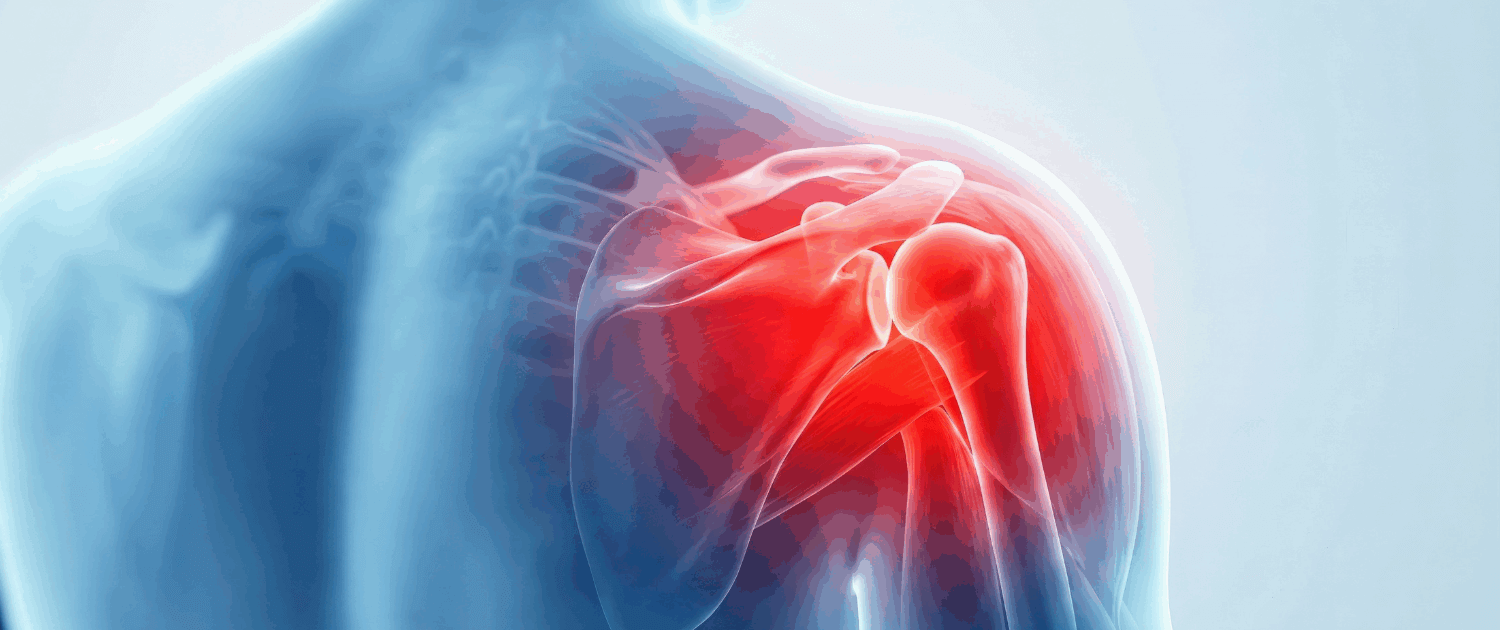
Acupuncture for Shoulder Pain in Naperville IL
If you’re reading this, you’ve probably been dealing with shoulder pain that just won’t quit. Maybe it started gradually—a twinge when you reached for something overhead—and now it’s disrupting your sleep, making it impossible to put on a jacket, or forcing you to modify every movement you make throughout the day.
I’m Dr. Jennifer Wise, a Doctor of Chiropractic and Acupuncturist with over 26 years of clinical experience treating shoulder pain at Synergy Institute Acupuncture & Chiropractic in Naperville, IL. And I want you to know something important: your shoulder pain isn’t something you just have to live with, and acupuncture may be the missing piece in your recovery—especially when combined with the right supporting treatments.
Synergy Institute Acupuncture & Chiropractic offers acupuncture for shoulder pain in Naperville, IL.
We combine acupuncture with MLS laser, HT Cellular Reset, SoftWave therapy, and ARP neurotherapy for a comprehensive approach that single-treatment clinics cannot match.
A large German randomized trial found that acupuncture achieved a 65% recovery rate for chronic shoulder pain compared to 37% with conventional orthopedic treatment.
In this article, I’ll explain why your shoulder pain keeps coming back, how acupuncture addresses shoulder conditions at the source, and why the integrative approach we use at Synergy—combining acupuncture with MLS laser, HT Cellular Reset, and ARP neurotherapy—produces results that single-treatment approaches simply can’t match.
Quick Facts: Acupuncture and Shoulder Pain
| How common is shoulder pain? | Shoulder pain affects approximately 18-26% of adults at any given time, making it the third most common musculoskeletal complaint after back and neck pain |
| Does acupuncture work for shoulder pain? | A large German randomized trial found a 65% recovery rate with acupuncture versus 37% with conventional orthopedic treatment for chronic shoulder pain |
| What about frozen shoulder? | A 2020 systematic review of 13 randomized controlled trials found acupuncture significantly reduces pain and improves range of motion in frozen shoulder patients |
| How many sessions? | Most patients notice improvement within 4-6 sessions, with optimal results typically achieved in 8-12 sessions depending on condition severity |
Why Your Shoulder Pain Isn’t Going Away
The shoulder is the most mobile joint in your body—and that mobility comes at a cost. Unlike your hip, which sits deep in a stable socket, your shoulder is essentially a golf ball balanced on a tee. It relies on a complex network of muscles, tendons, ligaments, and a joint capsule to stay stable while allowing an enormous range of motion. When any part of that system breaks down, pain follows.
But here’s what most practitioners miss: they treat the symptom without identifying which part of the system is actually failing. The treatment for a rotator cuff tear is very different from the treatment for frozen shoulder, even though both cause shoulder pain with overhead reaching. Let me walk you through the most common types I see at my Naperville clinic.
Rotator Cuff Injuries
The rotator cuff is a group of four muscles and their tendons that stabilize your shoulder and allow you to rotate your arm. Rotator cuff problems account for roughly 70% of all shoulder pain visits. They range from tendinitis (inflammation of the tendons) to partial tears to complete tears, and they’re incredibly common—especially after age 40.
What makes rotator cuff injuries so frustrating is the poor blood supply to these tendons. Unlike muscles, which are rich with blood vessels, the rotator cuff tendons—particularly the supraspinatus—have a relatively avascular zone. This means they heal slowly, and without interventions that actively promote blood flow to the area, they often don’t heal well at all.
Frozen Shoulder (Adhesive Capsulitis)
Frozen shoulder is one of the most misunderstood conditions I treat. It involves progressive thickening and tightening of the joint capsule that surrounds your shoulder, and it typically moves through three distinct stages:
| Stage | Duration | What You’ll Experience |
|---|---|---|
| Freezing | 6 weeks – 9 months | Pain increases steadily, range of motion begins to decrease |
| Frozen | 4 – 12 months | Pain may actually decrease, but stiffness becomes severe with significant loss of motion |
| Thawing | 6 months – 2 years | Gradual, slow return of movement |
Without treatment, the entire process can take one to three years. Frozen shoulder is more common in women—especially around menopause—and in patients with diabetes or thyroid disorders. And here’s the critical thing most patients don’t know: aggressive stretching during the freezing stage can actually make it worse. The capsule doesn’t respond well to force.
Shoulder Bursitis
Your shoulder contains several bursae—small fluid-filled sacs that cushion the space between bones and soft tissue. When the subacromial bursa becomes inflamed, it creates pain with overhead movements, pain lying on the affected shoulder, and an aching sensation that may radiate down the arm.
Here’s the key insight: bursitis is almost always a symptom of something deeper. Something is causing repetitive irritation to that bursa—whether it’s a rotator cuff problem, poor shoulder mechanics, or postural dysfunction. Treating just the bursitis without addressing the underlying cause is why so many patients get cortisone injections that provide temporary relief but never solve the problem.
Referred Pain from Your Neck
This is the one that surprises most patients. A significant percentage of shoulder pain—particularly pain in the upper shoulder and shoulder blade area—actually originates from the cervical spine. A compressed nerve root at C5 or C6 can send pain directly into the shoulder, mimicking rotator cuff problems.
I’ve had patients who spent months treating their shoulder with physical therapy and cortisone injections before someone thought to examine their neck. As I discussed in my article on acupuncture for neck pain, the cervical spine and shoulder are intimately connected. When you treat one without evaluating the other, you’re likely missing half the problem.
🚨 When to Seek Immediate Medical Attention
While most shoulder pain responds well to conservative treatment, certain symptoms require urgent evaluation:
- Sudden, severe shoulder pain following trauma or a fall
- Shoulder appears visibly deformed or “out of place” (possible dislocation)
- Complete inability to lift your arm
- Shoulder pain accompanied by chest tightness, shortness of breath, or jaw pain (possible cardiac event)
- Rapidly increasing swelling, redness, and warmth with fever (possible infection)
If you experience any of these symptoms, seek emergency care immediately. Call 911 if you suspect a heart attack.
How Acupuncture Treats Shoulder Pain
Acupuncture addresses shoulder pain through several well-documented mechanisms that work together to create an environment where your shoulder can actually heal—not just feel temporarily better.
Inflammation reduction. Research shows that acupuncture downregulates pro-inflammatory cytokines including TNF-α and IL-6. For shoulder conditions where chronic inflammation is driving ongoing tissue damage—rotator cuff tendinitis, bursitis, adhesive capsulitis—this is critically important. Reducing inflammation creates the conditions for repair.
Pain modulation. Acupuncture stimulates the release of endorphins and increases serotonin (5-HT) concentrations in the brain, reducing your sensitivity to pain. But this isn’t just about masking symptoms. When your pain level drops, your muscles relax, your shoulder mechanics improve, and the protective guarding patterns that often perpetuate shoulder problems begin to release.
Blood flow to the rotator cuff. Remember that avascular zone I mentioned? One of the most important things acupuncture does for rotator cuff injuries is increase local blood circulation to tissues with naturally poor blood supply. The acupuncture points most commonly used for shoulder conditions—Jian Yu (LI15) and Jian Liao (TB14)—are located at key positions around the shoulder capsule, directly overlying the areas where rotator cuff inflammation and adhesions develop.
Muscle tension release. The shoulder complex involves over a dozen muscles, and when some aren’t firing properly, others compensate. This creates tension patterns that restrict movement and perpetuate pain. Acupuncture releases these compensatory tension patterns, restoring balance to the entire shoulder complex.
As I explain in my article on acupuncture for back pain, think of your body’s meridian system like an electrical circuit. When there’s a “bad bulb” in the circuit—inflammation in the supraspinatus tendon, adhesions in the joint capsule, trigger points in the upper trapezius—it disrupts the whole system. Acupuncture finds and addresses those bad bulbs so the circuit can function properly again.
Electroacupuncture for Shoulder Conditions
Electroacupuncture takes traditional acupuncture a step further by adding controlled electrical stimulation through the needles. For shoulder conditions specifically, the research is compelling.
A large German randomized trial involving 424 patients with chronic shoulder pain found that true acupuncture achieved a 65% recovery rate, compared to just 37% with conventional orthopedic treatment and 24% with sham acupuncture. That’s nearly double the recovery rate of standard care.
For frozen shoulder specifically, a randomized controlled trial found that electroacupuncture combined with rehabilitation provided earlier pain relief than rehabilitation alone, with significantly greater improvement in shoulder flexion and abduction range of motion. The improvements persisted at one, three, and six-month follow-ups.
I use electroacupuncture frequently for shoulder conditions at Synergy because the electrical stimulation enhances the acupuncture effect—driving deeper muscle relaxation, stronger anti-inflammatory signaling, and greater circulation improvement than manual needle stimulation alone.
Synergy’s Integrative Approach to Shoulder Pain
Here’s where things get really exciting—and where Synergy’s approach differs from anything else you’ll find in Naperville.
Acupuncture is powerful on its own. But when I combine it with the right supporting treatments matched to your specific shoulder condition, the results accelerate dramatically. For shoulder pain, my favorite protocol involves four key treatments, each addressing a different dimension of the problem.
Acupuncture
This is the foundation. Acupuncture addresses pain, inflammation, and the systemic regulatory disruption that’s keeping your shoulder stuck in a pain cycle. I use both local points around the shoulder complex and distal points to modulate the body’s overall pain response. Electroacupuncture is added when deeper stimulation is needed—particularly for frozen shoulder and chronic rotator cuff conditions.
MLS Laser Therapy
MLS laser delivers dual-wavelength light energy deep into the shoulder joint and surrounding soft tissue. It reduces inflammation at the cellular level, accelerates tissue repair, and promotes the formation of new blood vessels in areas with poor blood supply. For rotator cuff injuries—where that avascular zone makes natural healing so difficult—laser therapy is a game-changer. I often apply it directly to both the rotator cuff tendons and the acupuncture trigger points for a combined effect.
HT Cellular Reset (Hakomed)
This is one of Synergy’s most unique treatments. HT Cellular Reset uses high-tone frequency therapy operating at 4,000 to 12,000 Hz—far beyond the 100 Hz of standard TENS or muscle stimulation units, which barely penetrate past the skin. At these higher frequencies, the therapy reaches deep into your cells, restoring proper cellular voltage so cells can expel inflammation and toxins and absorb the nutrients they need to heal. It’s essentially a cellular reset—healthy cells make healthy tissues. For shoulder conditions with chronic inflammation and tissue damage, this cellular-level healing is exactly what’s needed to break the cycle.
ARP Neurotherapy
Here’s what most clinics completely overlook: many shoulder problems persist because faulty movement patterns keep re-injuring the joint. Your rotator cuff isn’t firing in the right sequence. Your scapular stabilizers are weak. Your shoulder mechanics have shifted to protect the painful area—and that shifted movement pattern is actually accelerating the damage. ARP neurotherapy identifies these dysfunctional movement patterns and retrains your neuromuscular system to fire correctly. It strengthens muscles in proper patterns and breaks the injury-reinjury cycle. Acupuncture reduces the pain and inflammation. Laser and Hakomed heal the tissue. ARP restores the mechanics. Together, they give your shoulder the best chance to heal and stay healed.
Supporting Treatments
Depending on your specific condition, I may also incorporate:
- Chiropractic adjustments — Cervical and thoracic spine alignment directly affects shoulder mechanics. Forward head posture and rounded shoulders create impingement patterns that no amount of shoulder treatment alone will fix.
- SoftWave therapy — For rotator cuff injuries and frozen shoulder where regenerative stimulus is needed. SoftWave activates your body’s own stem cells and promotes tissue regeneration without microtrauma.
- Nutritional assessment — Chronic inflammation and slow healing often have a nutritional component. Deficiencies in vitamin D, omega-3 fatty acids, and key minerals can significantly slow your recovery.
Treatment Comparison Table
| Treatment | What It Does for Your Shoulder | Best For |
|---|---|---|
| Acupuncture | Reduces inflammation, modulates pain, improves blood flow, releases muscle tension | All shoulder conditions — foundation treatment |
| MLS laser | Deep tissue inflammation reduction, cellular repair acceleration, new blood vessel formation | Rotator cuff injuries, tendinitis, acute flares |
| HT Cellular Reset | Restores cellular voltage, clears inflammation at cellular level, enables proper nutrient exchange | Chronic inflammation, tissue damage, slow-healing conditions |
| ARP neurotherapy | Retrains movement patterns, restores proper firing sequence, strengthens in correct patterns | Chronic instability, post-injury compensation, recurring shoulder pain |
| SoftWave | Stem cell activation, tissue regeneration, breaks up adhesions | Rotator cuff tears, frozen shoulder, degenerative changes |
| Chiropractic | Cervical/thoracic alignment, postural correction, joint mobility | Referred pain from neck, impingement from posture |
| Nutritional support | Anti-inflammatory support, tissue repair building blocks | Chronic conditions, slow healers, recurrence prevention |
The Frozen Shoulder Problem: Why Timing and Approach Matter
Frozen shoulder deserves special attention because treating it incorrectly can actually set you back months.
During the freezing stage, pain is the primary problem and aggressive range-of-motion work can intensify the inflammatory process. This is where acupuncture shines—reducing pain and inflammation without forcing the capsule. I combine acupuncture with MLS laser and HT Cellular Reset to address the inflammation from multiple angles while the capsule is most reactive.
During the frozen stage, stiffness is the dominant issue. The capsule has thickened significantly. Here’s where I shift the protocol: acupuncture continues for pain management and systemic regulation, but I add ARP neurotherapy to begin retraining the movement patterns that have deteriorated during months of limited motion. Gentle mobilization—never forced—gradually encourages the capsule to release.
During the thawing stage, your shoulder is ready for more active rehabilitation. ARP neurotherapy takes center stage, restoring the range of motion and muscular coordination that was lost. Acupuncture and laser continue as maintenance to support the healing process.
This staged approach—matching the treatment intensity and focus to where you are in the process—is something you simply won’t find at a clinic that offers only one treatment modality. The one-size-fits-all approach fails frozen shoulder patients every time.
Is Acupuncture for Shoulder Pain Right for You?
You may be a good candidate if:
- You have rotator cuff tendinitis, a partial rotator cuff tear, or shoulder impingement
- You’ve been diagnosed with frozen shoulder at any stage
- You have shoulder bursitis that keeps returning despite cortisone injections
- Your shoulder pain radiates from your neck
- You’ve tried physical therapy or cortisone injections without lasting improvement
- You want to avoid shoulder surgery or delay it as long as possible
- You have arthritis in the shoulder joint (glenohumeral or AC joint)
- You’re recovering from shoulder surgery and want to accelerate rehabilitation
Acupuncture may NOT be the right fit if:
- You have a complete, full-thickness rotator cuff tear requiring surgical repair
- Your shoulder is currently dislocated or unstable and requires surgical stabilization
- You have an active infection in or around the shoulder joint
- You have a fracture that hasn’t been properly stabilized
My honest assessment commitment: If I don’t think we can help you, I’ll tell you directly. I’d rather refer you to someone who can help than waste your time and money. During your initial evaluation, I’ll examine your shoulder thoroughly, review any imaging you’ve had done, and give you a straightforward answer about whether our approach is right for your specific condition.
What to Expect at Your First Visit
Your first visit at Synergy Institute starts with a comprehensive evaluation—not just of your shoulder, but of the related structures that influence shoulder function. I’ll assess your cervical spine, thoracic spine, and posture because these directly impact what’s happening at the shoulder.
I’ll review your medical history, any imaging studies (X-rays, MRI), and previous treatments. Then I’ll perform a physical examination including range-of-motion testing, orthopedic provocation tests, and palpation to identify exactly which structures are involved.
Based on what I find, I’ll develop your customized treatment plan. A typical acupuncture session for shoulder pain involves the placement of fine, sterile needles at specific points around the shoulder complex and related meridian pathways. Most patients find the treatment deeply relaxing. Sessions typically last 20-30 minutes, and many patients notice some improvement after the very first treatment.
If your condition warrants it—and most shoulder conditions do—I’ll incorporate laser therapy, HT Cellular Reset, or ARP neurotherapy into your treatment plan from the start, so all dimensions of your shoulder problem are being addressed simultaneously.
Frequently Asked Questions
How does acupuncture help shoulder pain specifically?
Acupuncture treats shoulder pain through multiple mechanisms working simultaneously. It reduces inflammatory markers (TNF-α, IL-6) in the shoulder joint, stimulates endorphin release for pain modulation, increases blood circulation to the rotator cuff tendons—which have naturally poor blood supply—and releases compensatory muscle tension patterns throughout the shoulder complex. The acupuncture points used for shoulder conditions are strategically located around the joint capsule and along meridian pathways that directly influence shoulder function.
Can acupuncture help a rotator cuff tear?
It depends on the type and severity of the tear. For rotator cuff tendinitis, partial tears, and small full-thickness tears that don’t require surgical repair, acupuncture combined with our integrative approach can be highly effective at reducing pain, improving function, and supporting tissue healing. A 2024 meta-analysis of 13 randomized controlled trials involving 1,371 patients found acupuncture effective for pain relief and functional improvement in rotator cuff disease. However, large complete tears typically require surgical repair. I’ll be honest with you about which category your tear falls into.
How many acupuncture sessions does it take for shoulder pain relief?
Most patients notice meaningful improvement within 4-6 sessions. For acute conditions like shoulder bursitis or recent-onset tendinitis, you may feel significant relief even sooner. Chronic conditions—frozen shoulder, longstanding rotator cuff problems, post-surgical recovery—typically require 8-12 sessions or more for optimal results. I recommend starting with 2-3 sessions per week initially, then tapering as your condition improves.
Can acupuncture help frozen shoulder?
Yes—and the research supports this. A systematic review of 13 randomized controlled trials found that acupuncture significantly reduces pain and improves range of motion in frozen shoulder patients. At Synergy, we tailor the treatment approach to your specific stage: focusing on pain and inflammation control during the freezing stage, adding gentle mobilization and movement retraining during the frozen stage, and emphasizing active rehabilitation during the thawing stage. This staged approach can significantly shorten the total recovery timeline.
Is acupuncture or cortisone better for shoulder pain?
They address the problem very differently. Cortisone is a powerful anti-inflammatory that provides rapid pain relief—but it’s temporary, it doesn’t promote healing, and repeated injections can actually weaken tendons and cartilage over time. Acupuncture reduces inflammation through your body’s own regulatory systems, promotes tissue healing, and provides cumulative benefits that build with each session. For most shoulder conditions, I recommend trying acupuncture and our integrative approach before relying on cortisone. If you’ve already had multiple cortisone injections without lasting relief, that’s actually a strong indicator that acupuncture may be what you need.
What’s the difference between acupuncture and dry needling for shoulder pain?
While both use thin needles, they’re fundamentally different approaches. Dry needling targets individual trigger points in muscles—it’s a localized technique focused on muscle relaxation. Acupuncture is a comprehensive system that addresses pain, inflammation, circulation, and your body’s regulatory systems through carefully selected point combinations along meridian pathways. As an Acupuncturist with decades of training, I use a whole-system approach that addresses not just the tight muscles in your shoulder but the underlying causes driving the problem.
Can I get acupuncture for shoulder pain after surgery?
Absolutely. A 2025 systematic review found acupuncture effective in postoperative rehabilitation following arthroscopic rotator cuff repair, improving both pain control and functional recovery. Once your surgeon clears you for rehabilitation, acupuncture can accelerate the healing process, manage post-surgical pain without additional medication, and help restore range of motion more quickly. I work collaboratively with orthopedic surgeons to coordinate the timing and approach.
How does HT Cellular Reset (Hakomed) complement acupuncture for shoulder pain?
HT Cellular Reset works at the cellular level—restoring proper voltage to damaged cells so they can function normally again. Standard TENS operates at about 100 Hz and barely penetrates past the skin. HT Cellular Reset operates at 4,000 to 12,000 Hz, reaching deep into the tissue. While acupuncture addresses the inflammatory and pain modulation pathways through the nervous system, HT Cellular Reset addresses healing at the cellular level—clearing cellular inflammation and toxins so proper nutrient exchange can resume. Together, they work on two different dimensions of the same problem.
Why does my shoulder pain come from my neck?
The nerves that supply sensation and motor function to your shoulder originate from the cervical spine (C5-C6 nerve roots). When these nerves are compressed—by a herniated disc, bone spur, or narrowed foramen—the pain can refer directly into the shoulder, mimicking rotator cuff problems. This is why I always evaluate the cervical spine when a patient presents with shoulder pain. If there’s a neck component, treating only the shoulder will never fully resolve the problem.
Can acupuncture help shoulder bursitis?
Yes. Acupuncture is particularly effective for bursitis because it addresses the inflammation driving the condition. But I always look deeper than the bursitis itself. Something is causing repetitive irritation to that bursa—impingement, rotator cuff dysfunction, poor shoulder mechanics, or postural issues. Acupuncture controls the inflammatory flare while we identify and treat the underlying cause with our integrative approach.
How does ARP neurotherapy restore shoulder range of motion?
ARP neurotherapy works by identifying dysfunctional movement patterns in your shoulder complex—muscles firing out of sequence, scapular stabilizers that aren’t engaging, compensatory patterns that developed while you were protecting the painful shoulder. It then uses targeted neuromuscular stimulation to retrain these patterns, essentially reprogramming how your brain controls shoulder movement. This is particularly important after frozen shoulder, where months of limited motion create deeply ingrained movement dysfunction that won’t self-correct even after the pain resolves.
Why see a chiropractor-acupuncturist for shoulder pain instead of an acupuncture-only clinic?
Because your shoulder doesn’t exist in isolation. As both a Doctor of Chiropractic and Acupuncturist, I can evaluate and treat the cervical spine, thoracic spine, and shoulder as an integrated system. I can identify whether your shoulder pain has a spinal component, correct postural dysfunction contributing to impingement, and combine acupuncture with chiropractic care, laser therapy, HT Cellular Reset, and ARP neurotherapy—all under one roof. An acupuncture-only clinic can needle the shoulder, but they can’t address the biomechanical chain that’s driving the problem.
Take the First Step Toward Shoulder Pain Relief
You don’t have to keep living with shoulder pain that limits your sleep, your activities, and your quality of life. At Synergy Institute Acupuncture & Chiropractic, we combine acupuncture with advanced treatments like MLS laser, HT Cellular Reset, and ARP neurotherapy to address every dimension of your shoulder problem—not just the symptoms.
Call or text us at (630) 454-1300 to schedule your evaluation. During your first visit, I’ll examine your shoulder thoroughly, determine exactly what’s causing your pain, and tell you honestly whether our approach can help.
Synergy Institute Acupuncture & Chiropractic 4931 Illinois Rte 59, Suite 121 Naperville, IL 60564
We serve patients throughout Naperville, Plainfield, Bolingbrook, Aurora, and Oswego.
References
- Luime JJ, et al. Prevalence and incidence of shoulder pain in the general population. Scandinavian Journal of Rheumatology. 2004. https://pubmed.ncbi.nlm.nih.gov/15163044/
- Molsberger AF, et al. German Randomized Acupuncture Trial for chronic shoulder pain (GRASP). Pain. 2010. https://pubmed.ncbi.nlm.nih.gov/20605316/
- Ben-Arie E, et al. The effectiveness of acupuncture in the treatment of frozen shoulder. Evidence-Based Complementary and Alternative Medicine. 2020. https://pubmed.ncbi.nlm.nih.gov/32733564/
- Chen JH, et al. Acupuncture therapy in postoperative rehabilitation for arthroscopic rotator cuff repair. Frontiers in Surgery. 2025. https://pubmed.ncbi.nlm.nih.gov/40070519/
- Efficacy comparison between acupuncture and other modalities in rotator cuff diseases. American Journal of Translational Research. 2024. https://pubmed.ncbi.nlm.nih.gov/38463583/
- Vas J, et al. Single-point acupuncture and physiotherapy for painful shoulder. Rheumatology. 2008. https://pubmed.ncbi.nlm.nih.gov/18440957/
- Lin ML, et al. Electroacupuncture merged with rehabilitation for frozen shoulder syndrome. Journal of the Formosan Medical Association. 2019. https://pubmed.ncbi.nlm.nih.gov/30049533/
- Vickers AJ, et al. Acupuncture for chronic pain meta-analysis. Journal of Pain. 2018. https://pubmed.ncbi.nlm.nih.gov/29198932/
- Langevin HM, Yandow JA. Acupuncture points and meridians to connective tissue planes. Anatomical Record. 2002. https://pubmed.ncbi.nlm.nih.gov/12489185/
- Cleveland Clinic. Rotator Cuff Tendinitis. 2023. https://my.clevelandclinic.org/health/diseases/17631-rotator-cuff-tendinitis
- Mayo Clinic. Frozen Shoulder. 2023. https://www.mayoclinic.org/diseases-conditions/frozen-shoulder/symptoms-causes/syc-20372684
- American Academy of Orthopaedic Surgeons. Shoulder Pain and Common Shoulder Problems. https://orthoinfo.aaos.org/en/diseases–conditions/shoulder-pain-and-common-shoulder-problems/
Medical Disclaimer: This article is for informational purposes only and does not constitute medical advice, diagnosis, or treatment. Always consult with a qualified healthcare provider before making any medical decisions or beginning any treatment program. Never delay or disregard professional medical advice based on information from this article.
If you are experiencing a medical emergency including sudden severe pain following trauma, signs of a heart attack, or symptoms of infection, call 911 immediately.
The treatments and outcomes described in this article are not guaranteed and may not be typical for all patients. Individual results vary based on condition severity, overall health, and other factors. Acupuncture therapy may not be appropriate for all patients with shoulder pain.
Reviewed by Dr. Jennifer Wise, DC, Acupuncturist — February 2026