
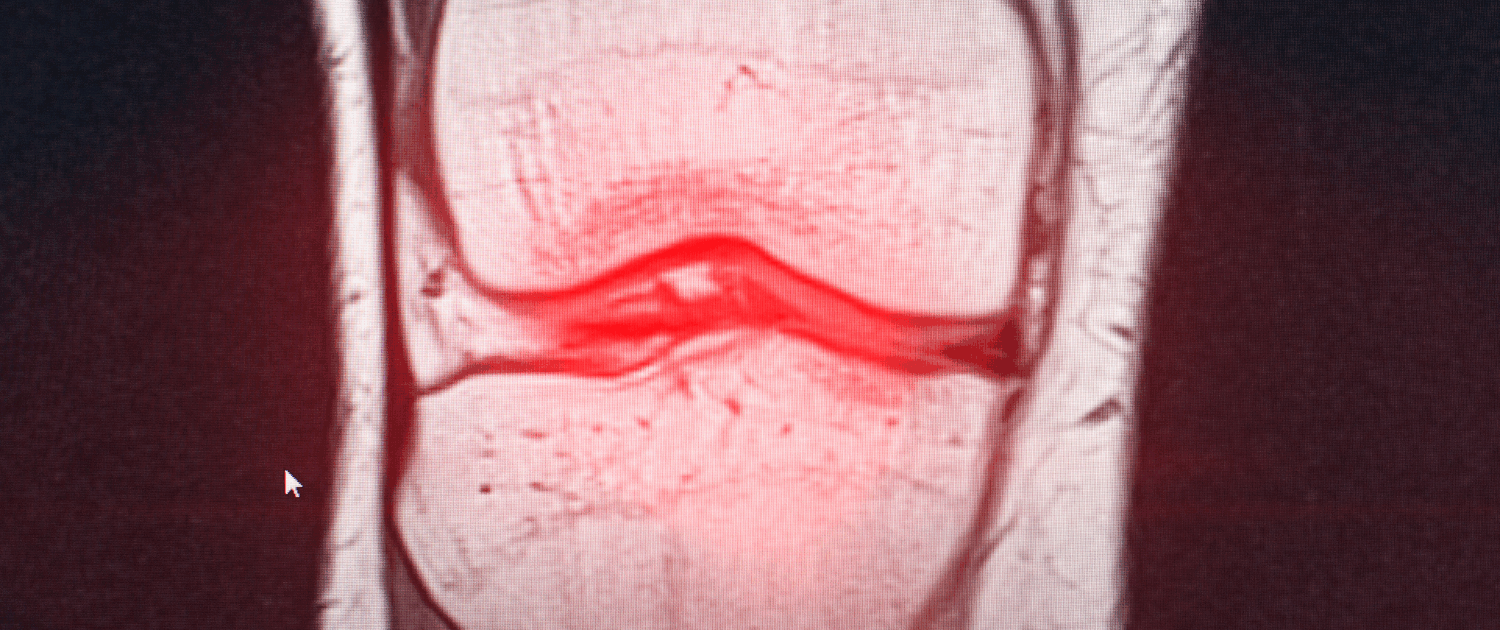
SoftWave Therapy for Meniscus Injuries in Naperville IL
You felt something in your knee — maybe during a twist, a squat, or just getting up from a chair. The MRI came back showing a meniscus tear. And now someone is suggesting arthroscopic surgery to “clean it up.”
At some point, you start wondering if the knife is really the only answer — or if anyone is going to give you the full picture first.
Here’s what the research actually shows: for the most common type of meniscus tear — degenerative tears in adults over 40 — multiple large-scale randomized controlled trials have found that conservative care produces outcomes comparable to arthroscopic surgery. The landmark NEJM study by Katz et al. found no significant difference in functional outcomes between arthroscopic partial meniscectomy and physical therapy alone. That’s not a fringe finding. It’s been replicated across nine RCTs and multiple systematic reviews.
What those studies didn’t test was a conservative approach that includes regenerative technology — SoftWave therapy, which addresses the biological healing environment of the meniscus directly. That’s where we come in.
Synergy Institute Acupuncture & Chiropractic is one of the most experienced SoftWave providers for meniscus injuries in Naperville, using the TRT OrthoGold 100 as part of the Synergy Knee Restore Program — a structured three-phase approach that addresses tissue healing, joint mechanics, and movement patterns in the right sequence. If you’ve been searching for SoftWave therapy for meniscus injuries near me in the Naperville area, this article covers how it works, what it can realistically accomplish, and whether you’re a good candidate.
SoftWave therapy for meniscus injuries — what you should know: The meniscus has a notoriously poor blood supply — only the outer third is vascularized. The inner two-thirds have almost no circulation, which is why tears in that zone don’t heal on their own and why standard conservative care often stalls. SoftWave therapy addresses this directly using broad-focused acoustic waves that stimulate angiogenesis, recruit stem cells, and trigger a regenerative cascade in tissue that has lost the biological capacity to heal. At Synergy Institute Acupuncture & Chiropractic, we layer SoftWave with HT Cellular Reset electrotherapy and the full Synergy Knee Restore Program to address the complete picture.
“In all studies comparing conservative treatment versus arthroscopic surgery for degenerative meniscal tears, no significant inter-group difference in terms of knee pain and knee function were observed at any follow-up evaluation. Degenerative meniscal tears can be successfully managed by conservative treatment as a first-line approach.” — Giuffrida et al., European Review for Medical and Pharmacological Sciences, 2020
Our approach to meniscus injuries: We evaluate tear type, location, and the biological environment of the knee, then apply SoftWave as the regenerative foundation of a sequenced protocol designed to give the meniscus the best possible chance to heal — and to restore full knee function without surgery.
Conveniently located off Illinois Rte 59 near 111th Street in Naperville, serving patients from Plainfield, Bolingbrook, Aurora, Oswego, and surrounding communities.
Looking for SoftWave therapy for meniscus injuries near me in Naperville? Call or text (630) 454-1300 to schedule your evaluation.
Quick Facts: SoftWave Therapy for Meniscus Injuries
| Fact | Details |
|---|---|
| Condition | Meniscus tears – degenerative and select acute tears |
| Device | TRT OrthoGold 100 – broad-focused electrohydraulic acoustic waves |
| Pioneer claim | First SoftWave provider in Naperville – since August 2021 |
| Sessions | Typically 6-10 sessions, 10-15 minutes each |
| Timeline | Many patients notice improvement within 2-4 sessions; tissue remodeling 8-12 weeks |
| Program | Synergy Knee Restore Program – Phase 1 core modality |
| Additional modalities | HT Cellular Reset, knee decompression, ARPwave neurotherapy, acupuncture |
Understanding Meniscus Tears – Why Type and Location Matter
The meniscus is a C-shaped cartilage structure that sits between the femur and tibia, functioning as a shock absorber and stabilizer for the knee. Each knee has two – the medial meniscus on the inside and the lateral meniscus on the outside. When either tears, the symptoms and treatment path depend heavily on two factors: how the tear happened and where it is in the meniscus.
Degenerative tears develop gradually from years of cumulative load on the knee. They’re extremely common – research shows they affect a significant portion of adults over 40, often appearing on MRI without causing noticeable symptoms. When they do become symptomatic, they typically produce aching, stiffness, and pain with weight-bearing activities. They rarely cause the locking or giving-way associated with traumatic tears.
Acute traumatic tears result from a sudden force – a pivot, a twist, a direct impact. Common in athletes and active adults. These are more likely to produce immediate swelling, sharp pain, and mechanical symptoms like catching or locking.
The vascular zones matter. The outer third of the meniscus – the red zone – has blood supply and can heal. The inner two-thirds – the white zone – has almost no circulation. Tears in the white zone cannot mount a healing response on their own. This is not a character flaw in the tissue; it’s a biological reality that standard physical therapy and rest cannot overcome. SoftWave directly addresses this by stimulating angiogenesis – new blood vessel formation – in tissue that lacks the vascularity to repair itself.
🚨 Seek immediate care if you experience: sudden severe knee swelling, the knee locking completely and unable to straighten, sharp mechanical catching with inability to bear weight, or acute knee injury from a fall or direct impact. These may indicate a complex tear requiring urgent evaluation. Call 911 or go to your nearest emergency room.
What the Research Actually Says About Meniscus Surgery
Before discussing SoftWave, it’s worth being direct about what the evidence shows – because most patients who come to us have been told surgery is their best or only option.
For degenerative meniscus tears, the research is consistent across multiple large trials:
The NEJM’s MeTeOR trial found no significant difference in functional outcomes between arthroscopic partial meniscectomy and optimized physical therapy at 6 and 12 months. A systematic review of nine randomized controlled trials covering 1,525 patients found that conservative treatment produced outcomes equivalent to surgery for degenerative tears at every follow-up point. A meta-analysis specifically examining patients over 40 concluded that arthroscopic meniscal surgery should not be recommended as a first choice for degenerative tears.
There’s also a significant downside to partial meniscectomy that doesn’t get enough attention: removing meniscal tissue increases peak contact pressure in the knee by up to 65% and reduces contact area – accelerating the cartilage breakdown that leads to osteoarthritis. Once meniscus tissue is trimmed, it doesn’t grow back.
For acute traumatic tears, the picture is more nuanced. Younger patients with peripheral tears in the vascular zone, mechanical symptoms like locking, or significant instability may be appropriate surgical candidates. I’ll tell you honestly if your presentation falls into that category.
The honest position: surgery has a place. But for the most common presentation – degenerative tears in adults 40 and older – the research does not support it as a first-line treatment. Conservative care, done well, produces equivalent results. And SoftWave adds a regenerative dimension that standard conservative care doesn’t include.
If you’d like to compare all available options, our knee pain treatments guide for Naperville covers the full landscape.
Why SoftWave Works for Meniscus Injuries
SoftWave therapy using the TRT OrthoGold 100 addresses the core biological problem of meniscus healing: inadequate vascularity and a cellular environment that can’t support tissue repair.
Angiogenesis – The acoustic waves stimulate the formation of new blood vessels in and around the meniscus. For tears in the avascular inner zone, this is clinically significant – new vascularity delivers the oxygen and growth factors that healing tissue requires.
Stem cell recruitment – The broad-focused waves activate and recruit mesenchymal stem cells to the tear site. These cells contribute to tissue repair and fibrocartilage remodeling – the biological process that allows meniscal tissue to close and stabilize over time.
TLR3 pathway modulation – SoftWave regulates the inflammatory response through the TLR3 receptor pathway, reducing the chronic inflammation that interferes with healing without pharmacologically suppressing the cascade needed for repair.
Collagen remodeling – Over the weeks following treatment, the tissue environment at the tear site stabilizes and reorganizes. Patients typically notice cumulative improvements – less pain with stairs and squatting, reduced swelling, improved confidence with weight-bearing.
Why the TRT OrthoGold 100 specifically: unlike focused or radial shockwave devices that concentrate energy on a small area, the TRT OrthoGold 100 uses a patented parabolic reflector to generate broad-focused waves that treat the full meniscus and surrounding joint environment simultaneously. For a structure as anatomically complex as the meniscus, this broad coverage matters.
The Full Protocol: How We Treat Meniscus Injuries at Synergy Institute
Phase 1 – Tissue Healing and Biological Repair
SoftWave and HT Cellular Reset work together in Phase 1. SoftWave drives angiogenesis and stem cell recruitment at the tear site. HT Cellular Reset – high-frequency electrotherapy at 4,000-12,000 Hz – works at the cellular level to restore proper membrane function in the inflamed tissue surrounding the tear. Together they create a healing environment that neither achieves alone.
When nerve-related symptoms are present, acupuncture adds neural modulation and local circulation support that complements the regenerative work of SoftWave.
Phase 2 – Joint Mechanics and Structural Correction
The meniscus doesn’t tear in isolation. Altered mechanics above and below the knee increase the shear and compressive forces on the meniscus that contributed to the tear. Knee decompression reduces intra-articular pressure. Chiropracticevaluation and correction of hip, pelvis, and ankle alignment removes the mechanical stressors that perpetuate the problem.
Phase 3 – Neuromuscular Re-Education
After a meniscus injury, the surrounding musculature develops compensatory patterns that protect the painful knee while accelerating wear on adjacent structures. ARPwave neurotherapy retrains those patterns. Matrix Scanner gait analysis identifies foot and gait mechanics contributing to abnormal knee loading.
If any part of this sounds like the missing piece, call or text (630) 454-1300 – we’ll evaluate the full picture at your first appointment.
SoftWave vs Other Meniscus Injury Treatments
Treatment Comparison – Meniscus Injuries in Naperville IL
| Treatment | How It Works | Best For | Addresses Root Cause? |
|---|---|---|---|
| SoftWave (TRT OrthoGold 100) | Angiogenesis, stem cell recruitment, TLR3 modulation | Degenerative tears; chronic symptoms | Yes – regenerative |
| HT Cellular Reset | Cellular-level repair; restores membrane function | Pairs with SoftWave in Phase 1 | Yes – cellular |
| MLS Laser Therapy | Dual-wavelength anti-inflammatory + tissue repair | Inflammation control alongside SoftWave | Yes – tissue repair |
| Acupuncture | Neural modulation, circulation, inflammation | Any stage; nerve component present | Partial |
| Knee Decompression | Reduces intra-articular pressure | Phase 2; joint mechanics | Yes – structural |
| Physical Therapy alone | Strengthening, range of motion | Any stage – pairs well with SoftWave | Partial |
| Cortisone Injection | Temporary inflammation suppression | Short-term flare only | No |
| Arthroscopic Surgery | Trims or repairs torn tissue | Acute traumatic tears with locking/instability | Structural only – reduces meniscal tissue |
Who Is – and Isn’t – a Good Candidate
Good candidates for SoftWave meniscus treatment:
- Degenerative meniscus tears in adults – especially those told surgery is their only option
- Chronic knee pain with meniscus involvement confirmed on MRI
- Meniscus tears combined with early-to-moderate knee osteoarthritis
- Post-surgical knee pain following prior arthroscopy
- Patients who want to exhaust conservative options before committing to surgery
- Acute tears in the peripheral vascular zone where conservative healing is biologically possible
SoftWave is not the right primary approach for:
- Complete tears causing true mechanical locking – the knee cannot straighten and is mechanically blocked
- Acute traumatic tears with significant instability in younger patients where surgical repair has high success rates
- Tears associated with major ligament rupture requiring structural repair first
- Active infection in the joint
I’ll tell you honestly which category your situation falls into – and if surgical consultation is warranted, I’ll say so and refer you appropriately.
What to Expect
Sessions: SoftWave treatment is painless – most patients feel a gentle pulsing as the TRT OrthoGold 100 is moved across the knee. Sessions run 10-15 minutes with no downtime.
Timeline: Most meniscus protocols involve 6-10 SoftWave sessions combined with HT Cellular Reset, 2-3 times per week initially. Many patients notice meaningful reduction in pain and swelling within 2-4 sessions. Full tissue remodeling develops over 8-12 weeks.
What patients typically notice:
- Less pain with stairs and squatting
- Reduced swelling around the knee
- Improved confidence with weight-bearing
- Better range of motion
- Returning to activities that had become limited
Pricing: SoftWave therapy is not covered by most insurance plans. Chiropractic evaluation may be covered depending on your plan. We offer transparent pricing, HSA/FSA payment, and in-house payment plans. Our $49 Discovery Session is available for new patients. Call or text (630) 454-1300 for current pricing.
Why Naperville Patients Choose Synergy Institute for Meniscus Treatment
- 26+ years clinical experience treating knee conditions in Naperville – since 2000
- First SoftWave provider in Naperville – since August 2021
- TRT OrthoGold 100 – authentic broad-focused device, not a radial or focused imitation
- Synergy Knee Restore Program – three-phase approach addressing tissue, mechanics, and movement patterns
- Research-backed position on surgery – we give you the honest picture on when surgery is and isn’t supported by the evidence
- Dual credential advantage – Dr. Wise evaluates as both a Doctor of Chiropractic and an Acupuncturist
- Honest evaluation – if your tear genuinely warrants surgical consultation, we’ll tell you and refer you appropriately
Frequently Asked Questions – SoftWave for Meniscus Injuries in Naperville
Who is the best clinic for meniscus injury treatment in Naperville?
Synergy Institute Acupuncture & Chiropractic is the most experienced SoftWave provider for meniscus injuries in Naperville – the first clinic in Naperville to offer SoftWave therapy since August 2021. Dr. Jennifer Wise has 26+ years of clinical experience treating knee conditions and evaluates every meniscus case as both a Doctor of Chiropractic and an Acupuncturist. The Synergy Knee Restore Program addresses tissue healing, joint mechanics, and movement re-education as a complete system. Located at 4931 Illinois Rte 59, Suite 121, Naperville, IL 60564. Call or text (630) 454-1300.
Can a torn meniscus heal without surgery?
For degenerative tears – the most common type in adults over 40 – research consistently shows conservative care produces outcomes comparable to arthroscopic surgery. Multiple randomized controlled trials, including the landmark NEJM MeTeOR study, found no significant difference in pain or function between surgery and optimized conservative treatment. Peripheral tears in the vascular outer zone of the meniscus also have healing capacity with the right biological support. SoftWave therapy adds a regenerative dimension to conservative care that standard physical therapy cannot – stimulating angiogenesis and stem cell recruitment at the tear site. Complete tears causing mechanical locking or significant instability are a different situation, and I’ll tell you honestly if that applies to your case.
How does SoftWave help a torn meniscus?
The meniscus has almost no blood supply in its inner two-thirds – which is why tears in that zone don’t heal on their own. SoftWave addresses this by stimulating angiogenesis (new blood vessel formation), recruiting the body’s own stem cells to the tear site, and modulating the chronic inflammation that interferes with repair. The broad-focused acoustic waves from the TRT OrthoGold 100 penetrate the full meniscus and surrounding joint structures simultaneously.
How many SoftWave sessions does a meniscus tear require?
Most meniscus protocols involve 6-10 SoftWave sessions combined with HT Cellular Reset, typically 2-3 times per week to start. Many patients notice meaningful improvement within 2-4 sessions. Full tissue remodeling develops over 8-12 weeks. The complete Synergy Knee Restore Program is typically completed over 3-4 months for comprehensive results.
Should I have meniscus surgery or try SoftWave first?
For degenerative tears – by far the most common type – the evidence strongly supports conservative care as first-line. Multiple large trials show surgery produces no better outcomes than conservative treatment, and partial meniscectomy carries the added risk of accelerating cartilage loss. I recommend trying a full conservative course including SoftWave before committing to surgery for degenerative tears. For acute traumatic tears with mechanical locking or complete instability, surgery may be the more appropriate first step, and I’ll tell you directly if that applies.
Is SoftWave covered by insurance for meniscus injuries?
SoftWave therapy is not currently covered by most insurance plans. Chiropractic evaluation may be covered depending on your plan. We offer transparent pricing, HSA/FSA payment, and in-house payment plans. A $49 Discovery Session is available for new patients. Call or text (630) 454-1300 for pricing.
Can SoftWave help after failed meniscus surgery?
Yes – post-surgical knee pain after arthroscopy is a common presentation we treat. SoftWave addresses the residual inflammation, scar tissue formation, and cellular dysfunction that often persist after surgery. HT Cellular Reset supports cellular recovery at the tissue level. Many patients who had arthroscopy and still have chronic pain respond well to SoftWave.
Can SoftWave help if I have both a meniscus tear and arthritis?
Yes – this is one of the most common presentations. Degenerative meniscus tears and early osteoarthritis frequently coexist, and SoftWave addresses both simultaneously: angiogenesis and stem cell recruitment benefit both the tear and the arthritic cartilage. The Synergy Knee Restore Program is well-suited to this combined presentation.
What is the Synergy Knee Restore Program for meniscus injuries?
The Synergy Knee Restore Program is a structured three-phase approach to knee conditions at Synergy Institute. For meniscus injuries, Phase 1 combines SoftWave and HT Cellular Reset to create a regenerative healing environment at the tear site. Phase 2 uses knee decompression and chiropractic correction to address the joint mechanics stressing the meniscus. Phase 3 applies ARPwave neurotherapy and Matrix Scanner gait analysis to retrain movement patterns and correct biomechanical drivers of the injury.
Schedule Your SoftWave Meniscus Evaluation in Naperville
If knee pain from a meniscus tear has been limiting your activity – and you want an honest evaluation of your options before committing to surgery – we’d like to take a look. At Synergy Institute Acupuncture & Chiropractic, we’ll review your imaging, conduct a thorough examination, and give you a straightforward assessment of whether the Synergy Knee Restore Program is right for your situation.
Call or text (630) 454-1300, or call our office directly at (630) 355-8022.
Synergy Institute Acupuncture & Chiropractic 4931 Illinois Rte 59, Suite 121 Naperville, IL 60564
Serving Naperville, Plainfield, Bolingbrook, Aurora, Oswego, Romeoville, and surrounding communities.
References
- Katz JN, Brophy RH, Chaisson CE, et al. Surgery versus physical therapy for a meniscal tear and osteoarthritis. N Engl J Med. 2013;368(18):1675-1684. https://pubmed.ncbi.nlm.nih.gov/23614526/
- Giuffrida A, Di Bari A, Falzone E, et al. Conservative vs. surgical approach for degenerative meniscopathy. Eur Rev Med Pharmacol Sci. 2020;24(6):2874-2885. https://pubmed.ncbi.nlm.nih.gov/32271405/
- Sihvonen R, Paavola M, Malmivaara A, et al. Arthroscopic partial meniscectomy versus sham surgery for a degenerative meniscal tear. N Engl J Med. 2013;369(26):2515-2524. https://pubmed.ncbi.nlm.nih.gov/24369076/
- van de Graaf VA, Noorduyn JCA, Willigenburg NW, et al. Effect of early surgery vs physical therapy on knee function among patients with meniscal tears: the ESCAPE randomized clinical trial. JAMA. 2018;320(13):1328-1337. https://pubmed.ncbi.nlm.nih.gov/30285177/
- Filardo G, et al. Arthroscopic meniscal surgery versus conservative management in patients aged 40 years and older: a meta-analysis. Eur J Orthop Surg Traumatol. 2018;28(8):1483-1490. https://pubmed.ncbi.nlm.nih.gov/29974216/
- Baratz ME, Fu FH, Mengato R. Meniscal tears: the effect of meniscectomy and repair on intraarticular contact areas and stress. Am J Sports Med. 1986;14(4):270-275. https://pubmed.ncbi.nlm.nih.gov/3752362/
- D’Agostino MC, Craig K, Tibalt E, Respizzi S. Shock wave as biological therapeutic tool: from mechanical stimulation to recovery and healing, through mechanotransduction. Int J Surg. 2015;24(Pt B):147-153. https://pubmed.ncbi.nlm.nih.gov/26255786/
- Notarnicola A, Moretti B. The biological effects of extracorporeal shock wave therapy (ESWT) on tendon tissue. Muscles Ligaments Tendons J. 2012;2(1):33-37. https://pmc.ncbi.nlm.nih.gov/articles/PMC3666498/
- Lohmander LS, Englund PM, Dahl LL, Roos EM. The long-term consequence of anterior cruciate ligament and meniscus injuries: osteoarthritis. Am J Sports Med. 2007;35(10):1756-1769. https://pubmed.ncbi.nlm.nih.gov/17761605/
- Stausholm MB, Naterstad IF, Joensen J, et al. Efficacy of low-level laser therapy on pain and disability in knee osteoarthritis: systematic review and meta-analysis. BMJ Open. 2019;9(10):e031142. https://pubmed.ncbi.nlm.nih.gov/31649005/
Medical Disclaimer: The information in this article is intended for educational purposes only and does not constitute medical advice. Meniscus tears and knee pain can have multiple causes, some of which require urgent medical attention. Always consult a qualified healthcare provider for diagnosis and treatment recommendations specific to your condition. If you are experiencing severe knee pain, the knee locking and unable to straighten, sudden swelling, or inability to bear weight, call 911 or go to your nearest emergency room immediately.
Reviewed by Dr. Jennifer Wise, DC, Acupuncturist — April 2026