
What Is Peripheral Neuropathy? A Naperville Clinical Guide
If you’ve been told you have peripheral neuropathy — or you’re trying to make sense of symptoms like burning feet, numbness in your hands, tingling that won’t go away, or balance problems that have started showing up — you’ve probably searched for an explanation that actually makes sense. Most of what you find online defines the condition technically, lists dozens of subtypes, and ends with the same sentence: there’s no cure, manage your diabetes, take gabapentin. That’s not an explanation. That’s a dismissal.
Most people hear the word “neuropathy” and immediately wonder whether they’re slowly losing their independence — whether their balance is going to keep getting worse, whether the burning will keep them up at night for the rest of their life, whether they’ll end up unable to drive or live alone. That fear is reasonable, and it deserves a real answer rather than a brush-off.
I’m Dr. Jennifer Wise. I’ve spent 26 years treating complex pain and nerve conditions in Naperville, and 16 of those years focused specifically on peripheral neuropathy. In that time I’ve sat across from thousands of patients who left their first appointment elsewhere with a name for their condition and no real understanding of what was happening inside their body — or what they could do about it. This guide is the explanation I wish every neuropathy patient got at diagnosis: what peripheral neuropathy actually is, why it happens, what the different types mean, what causes it, what the symptoms tell us, and — the part most resources skip — what the treatment landscape actually looks like in 2026.
Synergy Institute Acupuncture & Chiropractic is one of the most experienced neuropathy treatment practices in Naperville, located off Route 59 near the 111th Street intersection. We’ve spent 16 years building a cause-matched, sequenced approach to nerve restoration that goes well beyond the standard “manage the symptoms” pathway most patients are offered. The first step, though, is understanding the condition itself — because the patients who do best are almost always the ones who understand what’s happening to their nerves and why.
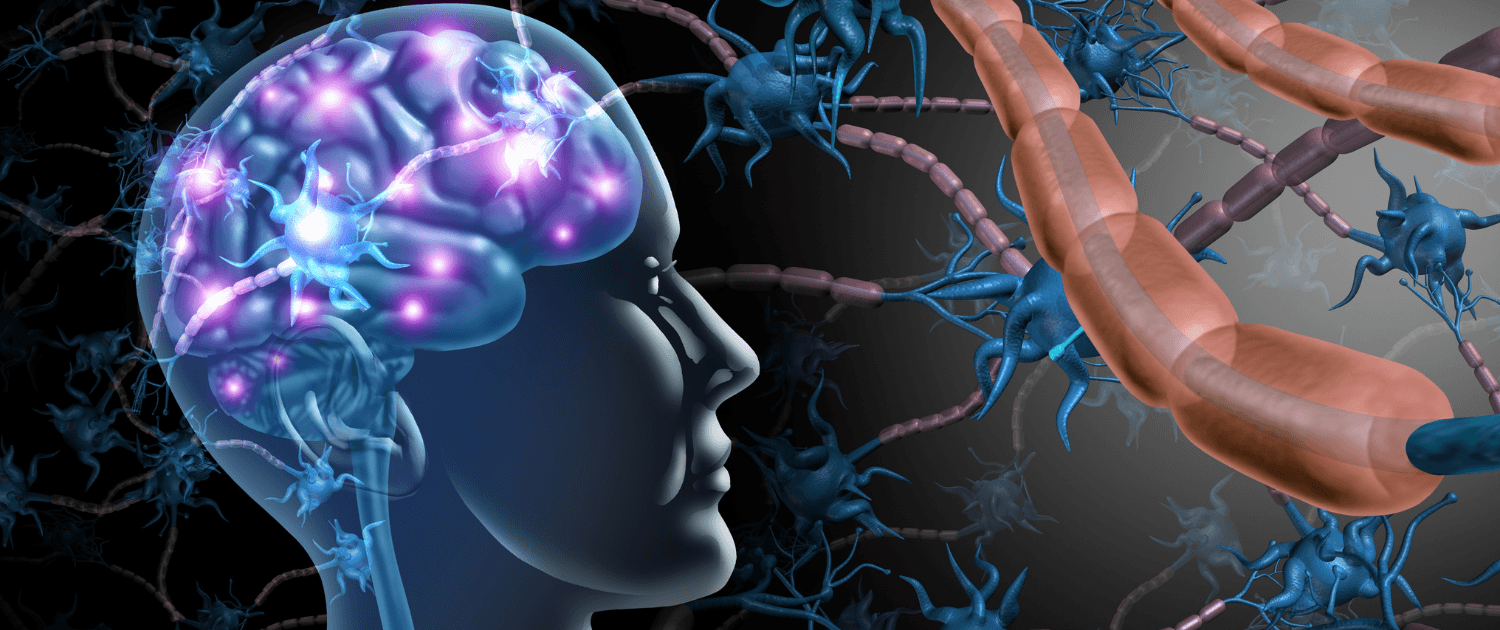
What is peripheral neuropathy — the short answer: peripheral neuropathy is damage or dysfunction in the peripheral nerves, the network of nerves outside the brain and spinal cord that carry signals between your central nervous system and the rest of your body. When those nerves are damaged or signaling poorly, you can experience numbness, tingling, burning pain, weakness, balance problems, or autonomic symptoms like changes in digestion or heart rate. It’s not a single disease — it’s an umbrella term covering more than 100 distinct conditions, and identifying the underlying cause is what determines whether and how it can be treated.
A 2023 meta-analysis published in Frontiers in Neurology found that integrative approaches combining metabolic correction, electrotherapy, and acupuncture significantly improved pain scores and nerve conduction velocity in patients with painful peripheral neuropathy — outcomes the standard medication-only pathway rarely produces. Understanding the condition is the first step toward identifying which treatment approach matches your specific situation.
Our approach to neuropathy: we identify the exact cause driving your nerve dysfunction, address the metabolic and neurological factors feeding it, and use targeted therapies in sequence to restore nerve function — rather than only reducing symptoms while the underlying problem continues.
If you’ve been told there’s nothing more to do about your neuropathy, call or text (630) 454-1300 to schedule a real evaluation.
Quick Facts: Peripheral Neuropathy at a Glance
| Question | Answer |
|---|---|
| What is it? | Damage or dysfunction in nerves outside the brain and spinal cord |
| How many types are there? | More than 100 distinct forms |
| Most common cause in the U.S.? | Diabetes — accounts for the largest share of cases |
| Most common symptom pattern? | Symmetric numbness, tingling, or burning starting in the feet |
| Can it be cured? | Depends entirely on the cause — some forms are reversible, many can be substantially improved |
| Is “no treatment” really true? | No — that statement usually means “no medication cure,” not “no treatment options” |
| When is it an emergency? | Sudden weakness, rapidly progressing numbness, loss of bladder or bowel control — see red flag section below |
What Peripheral Neuropathy Actually Is — In Plain English
Your nervous system has two main parts. The central nervous system is your brain and spinal cord — the command center. The peripheral nervous system is everything else: the network of nerves that branches out from your spinal cord and runs to every muscle, organ, and patch of skin in your body. Peripheral nerves are how your brain talks to your body and how your body talks back. They carry the signal that lets you feel cold water on your hands, the signal that tells your foot to lift when you walk, and the background signals that quietly regulate your heart rate, digestion, blood pressure, and a hundred other functions you don’t think about.
Peripheral neuropathy is what happens when those nerves stop doing their job properly. Sometimes they fire weakly. Sometimes they fire when nothing is happening — that’s the tingling, the burning, the “electric” sensations. Sometimes they don’t fire at all — that’s the numbness. And sometimes the nerves that control automatic body functions get involved, which is why neuropathy can affect digestion, sweating, blood pressure, and bladder function in ways most patients never connect back to a “nerve problem.”
Here’s the part nobody seems to explain clearly: in most cases, the affected nerves are not dead. They’re dysfunctional. They’re firing erratically, signaling poorly, struggling in an environment that’s been working against them for a long time. That distinction matters enormously, because dysfunctional nerves often have room to improve when the conditions damaging them are addressed and the right therapies are applied in the right sequence. Dead nerves don’t come back. Dysfunctional nerves frequently do — at least partially, and sometimes substantially.
Neuropathy usually has three layers — and effective treatment has to address all of them:
| Layer | What’s Happening | Examples |
|---|---|---|
| 1. The cause | The underlying driver that is damaging or starving the nerves | Diabetes, chemotherapy, B12 deficiency, autoimmune disease, compression, toxins |
| 2. The dysfunction | The nerve-level problems the cause has created | Poor signaling, inflammation, voltage disruption, impaired repair, small-vessel damage |
| 3. The symptoms | What you actually feel and experience | Numbness, tingling, burning, weakness, balance problems, autonomic changes |
Most treatments target only the symptoms — masking what you feel without touching the dysfunction or the cause. That’s why so many patients find their neuropathy keeps progressing even on medication. Real progress usually requires addressing all three layers, in order, starting with the cause.
The Three Types of Peripheral Nerves — and Why It Matters
The medical literature divides peripheral nerves into three categories based on what they do. Which category is affected determines what your symptoms look like, which is why two people with “peripheral neuropathy” can have completely different experiences.
Sensory nerves carry information to your brain about what you feel — pain, temperature, vibration, touch, position. When sensory nerves are affected, you get the classic symptoms most people associate with neuropathy: numbness, tingling, burning, “pins and needles,” sharp electric pains, loss of sensation, or the unsettling feeling that you can’t tell where your feet are in space. Sensory symptoms typically start in the longest nerves first — which is why neuropathy almost always begins in the feet and works upward.
Motor nerves carry signals from your brain to your muscles, telling them when to contract. When motor nerves are affected, you get muscle weakness, cramping, twitching, loss of coordination, dropping things, or in advanced cases visible muscle wasting. Motor involvement is often what tips a slowly worsening sensory neuropathy into a major fall risk.
Autonomic nerves control the body systems you don’t consciously direct — heart rate, blood pressure, digestion, bladder function, sweating, sexual function. When autonomic nerves are affected, you can get blood pressure swings, digestive problems, dizziness on standing, abnormal sweating patterns, or bladder issues. Autonomic symptoms are frequently missed because patients and doctors don’t connect them to nerve damage.
Most people with peripheral neuropathy have some mix of all three, but one type usually dominates. Understanding which type or types are involved is part of how a good clinician matches treatment to your specific case.
What Causes Peripheral Neuropathy
There are more than 100 known causes, but the vast majority of cases come from a much shorter list. Here’s the real-world distribution.
Diabetes and metabolic dysfunction. The single largest cause in the United States. High blood sugar damages the small blood vessels that supply nerves, slowly starving them of oxygen and the nutrients they need to repair themselves. The damage is gradual — many patients have nerve symptoms for years before connecting them to their blood sugar. You don’t need to be diabetic for this mechanism to be at work. Pre-diabetes, metabolic syndrome, elevated triglycerides, and persistently high insulin all damage nerves through the same pathway. This is why a credible neuropathy evaluation always looks at the full metabolic picture, not just whether you’ve been diagnosed with diabetes.
Chemotherapy-induced neuropathy. Several major chemotherapy drug classes — platinum-based agents, taxanes, vincristine — are well known for causing peripheral nerve damage. The symptoms can persist long after cancer treatment ends and often respond very differently than diabetic neuropathy.
B12 and nutritional deficiency. Vitamin B12 deficiency in particular can cause significant peripheral neuropathy, and it’s frequently missed in standard workups. Long-term use of metformin (a common diabetes medication) and proton pump inhibitors (acid reducers) can both lower B12 absorption. I’ve had patients labeled “idiopathic” by previous providers whose comprehensive workup surfaced a B12 problem no one had checked.
Autoimmune conditions. Lupus, rheumatoid arthritis, Sjögren’s syndrome, and others can cause the immune system to attack peripheral nerves directly.
Kidney disease and liver disease. Toxin buildup from impaired filtration can damage nerves.
Thyroid dysfunction. Underactive thyroid in particular can cause neuropathy symptoms.
Medications and toxins. Certain antibiotics, anti-seizure medications, statins in some patients, heavy metals, and excessive alcohol can all damage peripheral nerves.
Compression and structural causes. Sometimes what’s labeled “neuropathy” is actually nerve compression — carpal tunnel, tarsal tunnel, spinal nerve root irritation — that responds to a completely different approach than metabolic nerve damage.
Hereditary neuropathies. Less common but real — Charcot-Marie-Tooth disease being the most well-known.
Infections. Shingles, Lyme disease, HIV, and a few others can trigger neuropathy.
Idiopathic peripheral neuropathy. “Idiopathic” means no cause was identified on standard testing. In my clinical experience, this label often means the standard workup didn’t look hard enough at the metabolic and nutritional picture — which is treatable ground that gets missed when a neurologist’s workup is purely focused on ruling out the rare, dangerous causes.
The reason this cause list matters so much is that the cause determines the treatment. Diabetic neuropathy needs metabolic correction as its foundation. Chemotherapy-induced neuropathy often responds best to a different sequence. B12-deficiency neuropathy can improve substantially once the deficiency is corrected. Compression-related symptoms may need structural treatment entirely. Same condition name. Completely different treatment paths. This is why any clinic that applies the same protocol to every neuropathy patient is missing the most important part of the diagnosis.
Symptoms of Peripheral Neuropathy
Symptoms vary depending on which nerves are affected and what’s causing the damage, but most patients describe a recognizable pattern.
Sensory symptoms — usually the first to appear:
- Numbness or a “sock-like” loss of sensation in the feet, sometimes in the hands
- Tingling or “pins and needles”
- Burning pain — often described as worse at night
- Sharp, shooting, or “electric” pains
- Hypersensitivity to touch (light bedsheets or socks may feel painful)
- A vague sense that the feet are “not yours” or that you can’t feel the floor properly
- Loss of vibration or temperature sensation
Motor symptoms — typically later or alongside sensory symptoms:
- Muscle weakness, especially in the feet and ankles
- Cramping or twitching
- Loss of balance and coordination
- Increased risk of falls
- Dropping things or weakness in grip
Autonomic symptoms — often unrecognized as neuropathy:
- Dizziness when standing up (blood pressure regulation)
- Digestive changes
- Abnormal sweating (too much, too little, or in unusual patterns)
- Bladder control changes
- Sexual function changes
Symptoms classically start in the feet — “stocking pattern” — because the longest nerves in the body are most vulnerable to damage. As neuropathy progresses, symptoms gradually move upward and may eventually appear in the hands (“glove pattern”). The progression is usually slow but steady when nothing is being done to address the underlying cause.
🚨 Seek emergency medical care if you have: sudden weakness or paralysis, rapidly progressing numbness over hours or days, loss of bladder or bowel control, severe unexplained pain with fever, or new neurological symptoms following a significant injury. These can signal a serious condition — such as Guillain-Barré syndrome, spinal cord compression, or stroke — that requires immediate medical attention. Standard peripheral neuropathy develops slowly. Rapid changes are not normal and need urgent evaluation.
How Peripheral Neuropathy Is Diagnosed
A proper diagnostic workup answers two questions: do you have neuropathy, and what’s causing it. Both questions matter, but most patients I see have only had the first one answered.
The clinical exam. A skilled clinician can detect a lot just by examining the feet — checking vibration sense, temperature sense, light touch, reflexes, balance, and muscle strength. This is the most underrated part of the workup.
Nerve conduction studies and electromyography (NCS/EMG). These tests measure how fast and how strongly nerves transmit signals. They confirm whether the nerves are actually damaged, often show which type of nerve fibers are involved, and help distinguish between different patterns of neuropathy.
Bloodwork. This is where the cause is usually identified. A thorough panel includes blood sugar (fasting glucose and HbA1c), vitamin B12, thyroid function, kidney function, liver function, vitamin D, and autoimmune markers. If your bloodwork was minimal or stale, more answers are often hiding there.
Specialized testing when needed: skin biopsies for small fiber neuropathy, genetic testing for hereditary forms, autonomic testing, or imaging if a compression cause is suspected.
If you’ve been told you have neuropathy but never had a real cause search, you haven’t completed the diagnostic process — and you can’t make good treatment decisions without it.
Can Peripheral Neuropathy Be Treated? The Honest Answer
This is the question every patient wants answered honestly, and almost no one online does. Here’s the real answer, in three parts.
First — yes, peripheral neuropathy is treatable, much more often than the standard “incurable” framing suggests. The word “cure” is the wrong word for this condition, because “cure” implies the nerve damage never happened. The right question is how much function can be restored, and the honest answer is: it depends on the cause and how much nerve dysfunction versus permanent nerve loss is involved.
Second — the standard medical pathway is genuinely limited. Most neurologists offer gabapentin, Lyrica, duloxetine, or similar medications. These can take the edge off symptoms by dampening the pain signal, and for some patients that relief is meaningful. But they do not treat the nerve dysfunction or the underlying cause. If symptom-masking medication is the only thing happening, the underlying problem continues — which is why so many patients on these drugs find their neuropathy keeps progressing despite the prescription.
Third — there is a substantial gap in the typical treatment pathway, and that gap is exactly what an integrative, cause-matched neuropathy approach is designed to fill. The pieces that matter for actual nerve restoration include:
- Metabolic correction. Blood sugar regulation, the specific nutrient deficiencies nerves depend on (B12, alpha-lipoic acid, methylfolate, and others depending on your bloodwork), and inflammation. Nerves cannot repair in a metabolically broken body. For many diabetic and pre-diabetic patients, this layer alone produces meaningful improvement before any other therapy is added.
- Nerve signaling and voltage restoration. Targeted electrotherapy that works directly on nerve function — modalities like high-frequency neuromodulation, tPRF neuromodulation, and ARPwave-style bioelectric stimulation. These approaches address the nerve dysfunction itself rather than only the pain signal.
- Tissue regeneration support. Acoustic wave therapy, photobiomodulation (medical-grade red light), and acupuncture support the body’s own tissue-repair processes around the damaged nerves and the small blood vessels that supply them.
- Structural and neurological care. Chiropractic and acupuncture address compression, mechanical, and neurological factors that frequently coexist with metabolic neuropathy and amplify it.
The treatment approach that works is rarely a single therapy. It’s a sequence — metabolic foundation first, then voltage and signaling, then tissue regeneration — customized to the specific cause and how much remaining nerve function there is to work with.
How We Approach Peripheral Neuropathy at Synergy
At Synergy Institute Acupuncture & Chiropractic, our neuropathy care follows the sequence above and is customized to the cause that’s actually driving your case. The first visit is an evaluation, not a treatment start — we review your diagnostic history, look hard at the metabolic and nutritional picture most workups underweight, and answer one question honestly before recommending anything: is your neuropathy the kind we can realistically help, and if so, what’s actually driving it. If you’re a candidate, we map out a phased plan with a realistic timeline. If you’re not — for instance, if your nerve loss is too advanced or there’s an underlying cause that needs medical management first — we’ll tell you that directly and point you toward the right next step. Honest candidacy assessment is the most important thing a neuropathy provider can offer, and it’s the thing the generic programs skip.
Frequently Asked Questions
What is peripheral neuropathy in simple terms?
Peripheral neuropathy is damage or dysfunction in the nerves that connect your brain and spinal cord to the rest of your body. When those nerves don’t work properly, you can experience numbness, tingling, burning pain, weakness, balance problems, or changes in body functions like digestion and blood pressure. It’s not one single disease — it’s an umbrella term for more than 100 conditions, and the symptoms depend on which nerves are affected and what’s causing the damage.
What is the main cause of peripheral neuropathy?
Diabetes is the most common cause of peripheral neuropathy in the United States. High blood sugar damages the small blood vessels that supply the nerves, slowly impairing nerve function. Other major causes include B12 deficiency, chemotherapy, autoimmune conditions, thyroid dysfunction, kidney or liver disease, certain medications, and compression or structural problems. About a quarter of cases are labeled “idiopathic” — meaning no cause was identified on standard testing — though a thorough metabolic and nutritional workup often surfaces a treatable cause that was missed.
What are the first signs of peripheral neuropathy?
The earliest signs are usually sensory and start in the feet: a sock-like numbness, tingling or “pins and needles,” burning that’s worse at night, sharp or electric pains, or a vague feeling that you can’t sense the floor properly. Mild balance problems often appear before patients realize their feet are involved. Symptoms typically progress slowly upward over months or years and may eventually affect the hands.
Is peripheral neuropathy curable?
It depends on the cause and how much remaining nerve function there is. Some forms — like B12-deficiency neuropathy caught early — can improve substantially once the underlying problem is corrected. Diabetic neuropathy is rarely “cured” but can often be significantly improved when blood sugar is well controlled and the right therapies are sequenced. Severe, long-standing nerve loss has biological limits. The honest answer for most patients is that meaningful improvement is more realistic than complete reversal — and that’s still a very different outcome than “nothing more can be done.”
What is the difference between neuropathy and peripheral neuropathy?
“Neuropathy” is a general term for any nerve damage, anywhere in the body. “Peripheral neuropathy” specifically refers to damage in the peripheral nerves — the nerves outside the brain and spinal cord. In everyday use, when people say “neuropathy” they almost always mean peripheral neuropathy, since that’s by far the most common type.
What kind of doctor treats peripheral neuropathy?
It depends on your stage. A neurologist is essential for diagnosis — nerve conduction studies, identifying or ruling out the underlying cause. A neuropathy-focused integrative provider treats the ongoing nerve dysfunction over time using cause-matched therapy. The best outcomes usually involve both: the diagnostic workup to identify the cause, and a targeted treatment plan for the nerves themselves.
Does peripheral neuropathy get worse over time?
When the underlying cause continues unaddressed, yes — peripheral neuropathy usually progresses. The progression is typically slow but steady. The encouraging side of this is that when the cause is identified and addressed, progression often slows substantially or stops, and many patients see meaningful improvement in the symptoms they already have.
Can peripheral neuropathy be reversed?
Partial reversal is realistic for many patients, full reversal for some, and even severe cases that can’t be fully reversed can usually be substantially improved. The key variables are the underlying cause, how long it’s been damaging the nerves, how much nerve dysfunction versus permanent nerve loss is involved, and how completely the metabolic foundation is addressed. Honest candidacy assessment before treatment is what separates realistic care from generic packages.
What happens if peripheral neuropathy is left untreated?
Untreated peripheral neuropathy typically progresses — symptoms worsen, more nerves get involved, and complications like falls, foot ulcers (especially in diabetic patients), and loss of independence become more likely. The autonomic forms of neuropathy can cause serious complications affecting heart rate, blood pressure, and digestion. The “nothing can be done” framing is one of the most damaging things patients are told, because it often leads to acceptance of a progressive condition that could have been substantially modified.
Where can I get treatment for peripheral neuropathy in Naperville?
Synergy Institute Acupuncture & Chiropractic is one of the most experienced neuropathy treatment practices in Naperville, with 26 years of clinical experience and 16 years focused specifically on peripheral neuropathy. We use a cause-matched, sequenced approach combining metabolic correction, targeted electrotherapy, acupuncture, and chiropractic care — not a one-size protocol. Located off Route 59 near the 111th Street intersection, serving Naperville, Plainfield, Bolingbrook, Aurora, and Oswego. Call or text (630) 454-1300 for an honest evaluation.
Schedule Your Neuropathy Evaluation
If you’ve read this far, you’re probably looking for something better than “there’s nothing more to do.” The first step is finding out what’s actually driving your neuropathy and whether we can realistically help. We’re currently offering our Pain Relief Special: a free consultation for new patients to evaluate your neuropathy, identify the underlying cause, and determine honestly whether you’re a candidate for treatment.
Synergy Institute Acupuncture & Chiropractic 4931 Illinois Rte 59, Suite 121 Naperville, IL 60564 (off Route 59 near the 111th Street intersection)
Call or text (630) 454-1300, or call our office directly at (630) 355-8022.
Serving Naperville, Plainfield, Bolingbrook, Aurora, Oswego, and surrounding communities.
References
- National Institute of Neurological Disorders and Stroke. Peripheral Neuropathy. https://www.ninds.nih.gov/health-information/disorders/peripheral-neuropathy
- Cleveland Clinic. Peripheral Neuropathy. https://my.clevelandclinic.org/health/diseases/14737-peripheral-neuropathy
- Mayo Clinic. Peripheral neuropathy — Symptoms and causes. https://www.mayoclinic.org/diseases-conditions/peripheral-neuropathy/symptoms-causes/syc-20352061
- Johns Hopkins Medicine. Peripheral Neuropathy. https://www.hopkinsmedicine.org/health/conditions-and-diseases/peripheral-neuropathy
- Feldman EL, et al. Diabetic neuropathy. Nature Reviews Disease Primers. https://pubmed.ncbi.nlm.nih.gov/31197153/
- Staff NP, et al. Chemotherapy-induced peripheral neuropathy: A current review. Annals of Neurology. https://pubmed.ncbi.nlm.nih.gov/28000280/
- National Institute of Diabetes and Digestive and Kidney Diseases. Peripheral Neuropathy. https://www.niddk.nih.gov/health-information/diabetes/overview/preventing-problems/nerve-damage-diabetic-neuropathies/peripheral-neuropathy
- Hammi C, Yeung B. Neuropathy. StatPearls, National Library of Medicine. https://www.ncbi.nlm.nih.gov/books/NBK542220/
- Dimitrova A, et al. Acupuncture for the Treatment of Peripheral Neuropathy: A Systematic Review and Meta-Analysis. Journal of Alternative and Complementary Medicine. https://pubmed.ncbi.nlm.nih.gov/28419809/
- Foundation for Peripheral Neuropathy. What Is Peripheral Neuropathy. https://www.foundationforpn.org/what-is-peripheral-neuropathy/
- Oregon Health & Science University Brain Institute. Peripheral Neuropathy. https://www.ohsu.edu/brain-institute/peripheral-neuropathy
This content is for informational and educational purposes only and does not constitute medical advice, diagnosis, or treatment. Always consult with a qualified healthcare provider before making any medical decisions. Individual results may vary. If you are experiencing a medical emergency, call 911 immediately.