
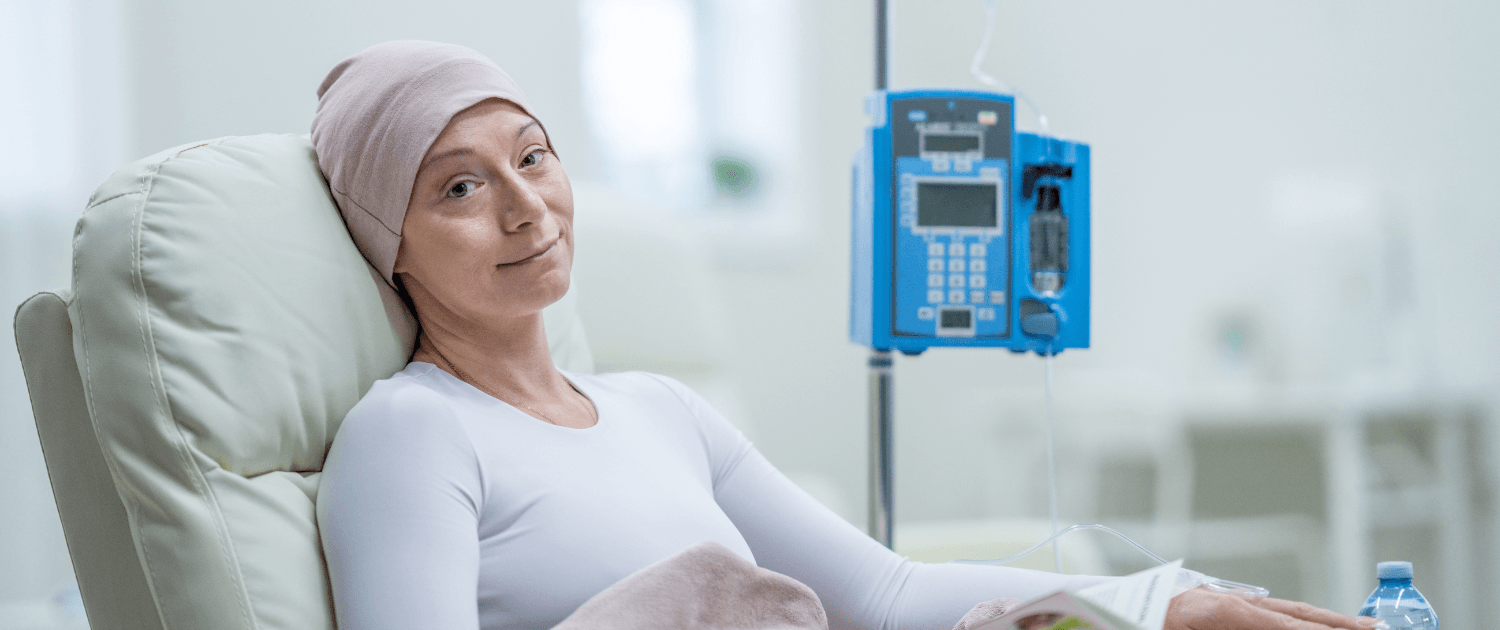
Best Treatments for Chemotherapy-Induced Neuropathy in Naperville, IL
You beat the cancer. Now your hands and feet won’t stop burning, tingling, or going numb — and you’re being told there’s not much anyone can do about it.
That sentence — “this may just be something you have to live with” — is the cruelest thing a survivor can hear after everything they’ve already been through.
Many survivors arrive here emotionally exhausted — not just from the neuropathy itself, but from being told there are no real options beyond a pill.
Most patients who come to us for chemotherapy-induced neuropathy have already been told their only option is a medication that dulls the pain a little and a shrug. They’ve finished the hardest fight of their lives and been handed a side effect nobody seems able to treat. I’m Dr. Jennifer Wise, DC, Acupuncturist — I’ve treated peripheral neuropathy in Naperville since 2000, with 16 years focused specifically on nerve damage, and I was the first Neurogenx 4000Pro provider in the area. If you’ve been searching for the best chemotherapy-induced neuropathy treatment near me, or a CIPN specialist in Naperville, this is the honest, evidence-based picture — what actually helps, what doesn’t, and how the right combination is sequenced.
Looking for real relief from chemo neuropathy in Naperville? Call or text (630) 454-1300 to schedule your free Pain Relief consultation.
The honest answer up front: There is no single treatment that “cures” chemotherapy-induced peripheral neuropathy, and any clinic promising a guaranteed reversal is not being straight with you. Per the 2020 ASCO guideline, duloxetine is the only medication with evidence behind it for painful CIPN — and even that benefit is limited. No drug prevents it. What genuinely helps the most patients is not one therapy but a sequenced, cause-matched program — acupuncture (the best-supported non-drug option), high-frequency electrotherapy, supportive cellular and circulatory care, and exercise — coordinated with your oncology team. For some people CIPN partially improves on its own after chemotherapy ends; for many it persists, and that’s exactly where a real program changes the trajectory.
Synergy Institute Acupuncture & Chiropractic is a chemotherapy-induced peripheral neuropathy treatment clinic located in Naperville, Illinois, near the Route 59 and 111th Street intersection. We treat CIPN from taxane, platinum, vinca alkaloid, and bortezomib regimens with a sequenced program built around what is actually damaging the nerve.
What sets the approach apart starts with the foundation the medication-only path skips — acupuncture and chiropractic-trained neurological assessment — and only then layers in advanced electrotherapy, matched to your regimen and symptoms rather than applied from a template.
The 2020 ASCO guideline update concluded that duloxetine is the only agent with evidence supporting its use for established painful CIPN, with limited benefit, and that no agent is recommended for prevention — while citing acupuncture and exercise among the non-pharmacologic options studied for symptom and functional improvement.
The best chemotherapy-induced neuropathy treatment in Naperville isn’t about one therapy — it’s about applying the right combination, in the right sequence, coordinated with your cancer care.
Quick Facts: Chemotherapy-Induced Neuropathy
| What You Should Know | The Details |
|---|---|
| What it is | Nerve damage caused by neurotoxic chemotherapy — taxanes, platinums, vinca alkaloids, bortezomib |
| Symptoms | Burning, tingling, numbness, electric pain, balance loss — usually hands and feet first |
| Can it be cured? | No honest “cure.” Some improve after chemo ends; many persist without intervention |
| Best drug evidence | Duloxetine only — and limited (ASCO 2020); nothing prevents CIPN |
| Best non-drug evidence | Acupuncture is the best-supported; exercise and photobiomodulation also studied |
| Honest role of advanced therapy | A sequenced program matched to your regimen — not one device, not a cure |
| Non-negotiable | Coordinate with your oncologist before and during any treatment |
| Best first step | A free Pain Relief consultation and honest assessment of your case |
Can Chemotherapy-Induced Neuropathy Be Reversed?
This is the question every survivor asks, and you deserve a straight answer rather than a sales pitch.
For some patients, CIPN improves gradually in the months after chemotherapy ends as the nerves recover. With platinum drugs, symptoms can even worsen briefly after the last dose (called “coasting”) before slowly improving. But for a large number of patients — especially after taxanes, platinums, or bortezomib — the symptoms persist for years if nothing is done, because the nerve doesn’t fully repair on its own.
So the honest framing is this: “reversal” is the wrong word, and “untreatable” is also wrong. The realistic, evidence-based goal is meaningful improvement — less burning, better sensation, steadier balance, less medication — by supporting nerve recovery and the cellular environment while managing symptoms. That’s achievable for many patients. A guaranteed cure is not, and no honest provider should promise one.
Why Chemotherapy Damages Nerves in the First Place
Here’s what matters for choosing treatment: chemotherapy-induced neuropathy is a toxic nerve injury, not a compression injury — which is why it’s treated very differently from, say, a pinched nerve.
Neurotoxic chemotherapy drugs reach the longest, most metabolically demanding nerves — the ones running to your feet and hands — and damage them at the cellular level. Platinums disrupt the nerve cell’s DNA repair; taxanes and vinca alkaloids damage the internal transport system that keeps the nerve alive along its length; bortezomib injures the cell’s energy machinery. The common endpoint is a nerve that can’t produce or sustain the energy it needs to signal correctly, so it misfires (burning, tingling, shooting pain) or falls silent (numbness, balance loss).
That’s why treatment can’t be a single gadget. It has to support the cell’s recovery, calm the wrong pain signaling, improve the circulation feeding the starved nerve, and rebuild function — different problems needing different, sequenced tools.
It Also Matters Which Chemotherapy You Had
Two survivors with “chemo neuropathy” can have meaningfully different problems depending on the drug, and a clinic that doesn’t ask which agent you received is not assessing you carefully.
Platinum drugs (oxaliplatin, cisplatin, carboplatin) tend to cause sensory symptoms that can keep progressing for weeks after the last dose — the “coasting” effect — with cold sensitivity common after oxaliplatin. Taxanes (paclitaxel, docetaxel) typically produce burning, tingling, and numbness in a stocking-glove pattern, often dose-related.
Vinca alkaloids (vincristine) can affect both sensation and motor strength. Bortezomib often causes painful, small-fiber-predominant symptoms.
Knowing which of these you had — and your cumulative dose and timeline — changes what we expect, how we sequence the program, and what realistic improvement looks like. Bring your treatment summary to your consultation; it genuinely informs the plan.
The Honest Evidence Landscape
Most clinics either oversell one therapy or default to medication. Here’s the accurate picture, matched to what each option is actually good for.
| Option | What the Evidence Says | Best For | Honest Limitation |
|---|---|---|---|
| Duloxetine | Only drug ASCO supports for painful CIPN; limited benefit | Reducing pain while other work is done | Masks pain; doesn’t repair the nerve; side effects |
| Gabapentin / tricyclics | Not recommended by ASCO for CIPN — weak evidence | Sometimes tried; case-by-case | Sedation, limited CIPN-specific benefit |
| Acupuncture | Best-supported non-drug option; RCTs show QoL and symptom benefit | Pain, numbness, quality of life — core layer | Evidence moderate, not definitive; needs a real course |
| High-frequency electrotherapy (Neurogenx) | Targets the nerve’s energy/signaling | The centerpiece for the cellular signaling deficit | Works best inside a full program |
| Photobiomodulation (laser/red light) | Rated moderate benefit in CIPN reviews | Circulation and tissue support — a supporting layer | Doesn’t act on nerve signaling; not standalone |
| Exercise | ASCO-cited; improves function and symptoms | Every patient, as tolerated | Adjunct, not sufficient alone |
The pattern is clear: no single line in that table is the answer. The result comes from sequencing the right ones for your regimen and stage.
What actually helps CIPN:
- ✅ Acupuncture — the best-supported non-drug option
- ✅ High-frequency electrotherapy (Neurogenx) — the centerpiece for the signaling deficit
- ✅ Exercise, as tolerated and coordinated with your care team
- ✅ Circulation and cellular support
- ✅ Care coordinated with your oncology team
What usually falls short on its own:
- ⚠️ Medication alone — manages pain, doesn’t repair the nerve
- ⚠️ One-device clinics — a single modality applied to every case
- ⚠️ Generic neuropathy programs not matched to your chemotherapy regimen
Acupuncture for CIPN — Why It’s the Best-Supported Non-Drug Option
This is where Naperville survivors are often underserved, and where the evidence genuinely favors a real acupuncture program.
Among all the non-drug options studied for chemotherapy-induced neuropathy, acupuncture has the most developed clinical evidence base. Randomized controlled trials and a systematic review and meta-analysis have reported improvements in CIPN pain, symptom severity, and quality of life, with some studies showing measurable nerve conduction improvement — and a major multicenter phase III trial (electroacupuncture vs. sham, run through Dana-Farber and Memorial Sloan Kettering) is underway. The evidence is moderate rather than definitive, and honest providers say so — but among complementary options, it is the strongest, and ASCO itself cites it.
Here’s the difference that matters in Naperville: many clinics offering acupuncture for CIPN offer only acupuncture. Here at Synergy, acupuncture is delivered by Dr. Wise as one core layer of a sequenced program — combined with high-frequency electrotherapy and cellular-support care under one roof, by a clinician who can also assess the nerve neurologically. That integration — real acupuncture care plus advanced bioelectric medicine, coordinated together — is something a single-modality acupuncture office cannot replicate.
People often ask what the Japanese, or East Asian medicine generally, “do for neuropathy” — and the honest answer is that this is largely what they’re asking about. Acupuncture and related East Asian techniques have been used for nerve symptoms for a very long time, and modern research is now testing them rigorously for CIPN specifically; electroacupuncture (acupuncture combined with gentle electrical stimulation) is the form being studied in the current large multicenter trials.
The useful takeaway isn’t mysticism — it’s that the best-studied traditional approach for chemo neuropathy is acupuncture, and it works best when it’s done properly, as a real course, and integrated with the rest of a modern program rather than as a standalone novelty.
The Synergy Approach: Cause-Matched, Coordinated With Your Oncology Team
Because CIPN is a toxic, cellular nerve injury, the program is built in sequence rather than as a single treatment.
The centerpiece is the Neurogenx 4000Pro — high-frequency electrotherapy operating across a 400–60,000 Hz range, used to address the nerve’s disrupted energy and signaling. It’s paired with Stimpod tPRF neuromodulation to help interrupt and retrain established wrong pain patterns, and with acupuncture as a core evidence-supported layer.
Molecular hydrogen supports the cellular environment against the oxidative stress chemotherapy leaves behind. MLS laser and red/near-infrared light are used as supporting layers for circulation and the tissue environment — honestly, they support the surroundings; they don’t act on the nerve’s signaling.
Notably, spinal decompression is not part of CIPN care: this is a toxic neuropathy, not a compressive one, and we won’t apply a tool that doesn’t fit the cause.
Every CIPN plan is coordinated with your oncologist or primary cancer team. This is not optional and not a formality — it’s the honest, safe standard, and it’s how a survivor’s neuropathy care should be run. For the full picture of how the layers are matched to cause across all neuropathy types, see our best neuropathy treatment in Naperville overview and peripheral neuropathy program.
Coordinating With Your Cancer Care — Read This Part
If you are still in active chemotherapy, or recently finished, this matters before anything else.
CIPN treatment decisions can interact with your cancer care — including the possibility that your oncology team may adjust chemotherapy dosing if neuropathy becomes severe, which is part of the ASCO recommendations. Any neuropathy program you start should be communicated to your oncologist, and we will coordinate accordingly rather than work in a vacuum. At your consultation we’ll be direct about what’s appropriate during active treatment versus after it ends, and we will not push a plan that your cancer team hasn’t been looped into. An honest neuropathy clinic treats you as a cancer patient first.
It also helps to go into that oncology conversation prepared. A few questions worth asking your oncology team:
- Which specific chemotherapy agent(s) and cumulative dose did I receive, and is my neuropathy expected to improve, stabilize, or persist?
- Is my neuropathy severe enough to consider dose adjustment, and what are the trade-offs for my cancer treatment?
- Are there any reasons I should not pursue acupuncture, electrotherapy, or exercise-based neuropathy care given my history?
- Can you communicate with a neuropathy clinic so my care is coordinated rather than parallel?
Bring the answers — and your treatment summary — to your Synergy consultation. It makes the plan we build genuinely yours rather than generic.
Are You a Candidate?
This program may be a strong fit if: you have burning, tingling, numbness, or balance loss from taxane, platinum, vinca alkaloid, or bortezomib chemotherapy; your symptoms have persisted or aren’t improving on their own; you want more than a pain medication; and you’re willing to do a sequenced program coordinated with your oncology team.
This is not the right answer for you if: you’re expecting a guaranteed cure or a single-session fix; you have not yet discussed neuropathy treatment with your oncologist (start there, then come to us); you have complete nerve death in the area; or you have an active condition that makes a specific modality unsafe without medical clearance.
If we don’t think we can meaningfully help you, we’ll tell you directly and say why. An honest no is more useful than false hope after everything you’ve already been through.
🚨 Seek Prompt Medical Care If You Experience:
- Rapidly worsening weakness, numbness, or difficulty walking
- New numbness with loss of bladder or bowel control
- A foot wound, blister, burn, or infection you didn’t feel — especially with numb feet
- Sudden severe pain, or any new neurological symptom during active chemotherapy (contact your oncology team)
What Patients Typically Notice
CIPN responds gradually, not overnight, and we set honest expectations from day one. Many patients begin noticing changes — less burning, improved sensation, steadier footing, less reliance on medication — within the first several weeks of a properly sequenced program, with continued improvement over a treatment course. Severity, the chemotherapy agent involved, and how long symptoms have been present all affect the pace and degree of improvement, and we’ll give you a realistic picture for your specific case rather than a template promise.
Why Naperville Survivors Choose Our Approach
- Acupuncture and advanced bioelectric medicine under one roof — the best-supported non-drug option integrated with the centerpiece electrotherapy, not acupuncture alone
- 26 years treating neuropathy in Naperville, 16 focused specifically on nerve damage
- First Neurogenx 4000Pro provider in the area; first Stimpod tPRF provider in Illinois
- Cause-matched honesty — we won’t apply decompression to a toxic neuropathy or promise a cure
- Coordinated with your oncology team — survivor-first care, not a parallel track
- Honest assessment — we tell you when something won’t help, and what realistically will
The short version: there’s no cure for chemotherapy-induced neuropathy, and anyone who tells you otherwise is selling. But “live with it” is equally wrong. Here at Synergy, the best-supported non-drug option and the centerpiece electrotherapy are sequenced together, matched to your regimen, and coordinated with your cancer care — which is how survivors get real, honest improvement.
Frequently Asked Questions
What is the best clinic for chemotherapy-induced neuropathy treatment in Naperville?
The best choice is a clinic that can deliver the evidence-supported non-drug options and advanced electrotherapy, matched to your chemotherapy regimen and coordinated with your oncologist. Synergy Institute Acupuncture & Chiropractic in Naperville combines acupuncture care with the area’s first Neurogenx 4000Pro, 16 years focused on neuropathy, and a sequenced CIPN program — not acupuncture alone and not a medication-only shrug.
Can chemotherapy-induced neuropathy be reversed?
There is no guaranteed reversal, and no honest clinic should promise one. Some patients improve after chemotherapy ends; many persist without intervention. The realistic, evidence-based goal is meaningful improvement — less pain, better sensation, steadier balance, less medication — by supporting nerve recovery while managing symptoms.
What is the best treatment for chemo neuropathy?
There isn’t a single best treatment — that’s the honest answer. Per ASCO, duloxetine is the only drug with supporting evidence and its benefit is limited; no drug prevents CIPN. The most patients improve with a sequenced program: acupuncture (the best-supported non-drug option), high-frequency electrotherapy, cellular and circulatory support, and exercise, coordinated with oncology.
Does acupuncture help chemotherapy-induced neuropathy?
It is the best-supported non-drug option. Randomized trials and a systematic review report improvements in CIPN pain, symptoms, and quality of life, and ASCO cites it among studied non-pharmacologic approaches. The evidence is moderate rather than definitive — but among complementary options it is the strongest, especially when delivered as part of a full program rather than alone.
Is duloxetine my only option for chemo neuropathy?
No. Duloxetine is the only drug ASCO supports for painful CIPN, but it masks pain rather than repairing the nerve and has side effects. It can be one part of a plan, not the whole plan — acupuncture, electrotherapy, cellular support, and exercise address the problem from other directions.
Should I talk to my oncologist before starting neuropathy treatment?
Yes — always, and before anything else. CIPN care should be coordinated with your cancer team, including because they may adjust chemotherapy dosing if neuropathy becomes severe. We coordinate with your oncologist rather than working in isolation, and we won’t push a plan your cancer team hasn’t been looped into.
How long does treatment take?
CIPN responds gradually over a treatment course, not in one session. Many patients notice changes within the first several weeks, with continued improvement over time. The chemotherapy agent involved, severity, and how long symptoms have been present all affect the pace — we give you a realistic estimate for your case.
Can I start treatment during active chemotherapy?
Sometimes, but only in coordination with your oncology team, and what’s appropriate during active treatment differs from after it ends. We’ll be direct at your consultation about what fits your situation and will not start a plan without your cancer team in the loop.
Does it hurt, and is it safe?
The therapies used are non-invasive and generally comfortable — acupuncture uses very fine needles, electrotherapy is felt as mild stimulation, light therapy as gentle warmth. Safety for a cancer survivor depends on your specific situation, which is exactly why we assess you individually and coordinate with your oncologist.
Is it covered by insurance?
Most advanced neuropathy therapies are out-of-pocket or HSA/FSA eligible rather than insurance-covered. We go over specifics transparently at your free consultation rather than quoting a package before we understand your case.
What if it’s not the right fit for me?
Then we’ll tell you directly and point you toward what would actually help. After everything a survivor has been through, an honest no is far more valuable than false hope or an expensive plan that won’t deliver.
Schedule Your Free Pain Relief Consultation in Naperville
You finished the hardest fight of your life. The neuropathy that came with it deserves more than “learn to live with it.”
At Synergy Institute in Naperville, my team and I treat chemotherapy-induced neuropathy with the best-supported non-drug option and the centerpiece electrotherapy sequenced together, matched to your regimen, and coordinated with your oncology team. If we can help, we’ll show you how. If we can’t, we’ll tell you honestly and point you toward what can.
Call or text (630) 454-1300 to schedule your free Pain Relief consultation, or call our office directly at (630) 355-8022.
What to expect at your first visit:
- A real evaluation of your CIPN — regimen, symptoms, history, and any prior testing
- An honest assessment of what will and won’t help your specific case
- A plan coordinated with your oncology team, not a template
- Realistic expectations — no cure promises
Synergy Institute Acupuncture & Chiropractic 4931 Illinois Rte 59, Suite 121 Naperville, IL 60564 Near the Route 59 and 111th Street intersection.
Serving Naperville, Plainfield, Bolingbrook, Aurora, Oswego, and surrounding communities.
References
- Loprinzi CL, Lacchetti C, Bleeker J, et al. Prevention and Management of Chemotherapy-Induced Peripheral Neuropathy in Survivors of Adult Cancers: ASCO Guideline Update. J Clin Oncol. 2020;38(28):3325–3348. https://ascopubs.org/doi/10.1200/JCO.20.01399
- National Cancer Institute. Peripheral Neuropathy Caused by Chemotherapy. NIH. https://www.cancer.gov/about-cancer/treatment/side-effects/peripheral-neuropathy
- American Cancer Society. Peripheral Neuropathy. https://www.cancer.org/cancer/managing-cancer/side-effects/nervous-system/peripheral-neuropathy.html
- Frontiers in Neurology. The effectiveness and safety of acupuncture for chemotherapy-induced peripheral neuropathy: a systematic review and meta-analysis. 2022;13:963358. https://www.frontiersin.org/journals/neurology/articles/10.3389/fneur.2022.963358/full
- Frontiers in Oncology. The therapeutic effect of acupuncture in the treatment of chemotherapy-induced peripheral neuropathy: a randomized controlled trial. 2025. https://www.frontiersin.org/journals/oncology/articles/10.3389/fonc.2025.1500410/full
- Chemotherapy-Induced Peripheral Neuropathy: A Recent Update on Pathophysiology and Treatment. Life (Basel). 2024;14(8):991. https://www.mdpi.com/2075-1729/14/8/991
- Duloxetine improves painful CIPN by inhibiting p38 MAPK and NF-κB. National Library of Medicine, NIH. https://www.ncbi.nlm.nih.gov/pmc/articles/PMC6465602/
- The treatment of chemotherapy-induced peripheral neuropathy: a review of current management options. National Library of Medicine, NIH. https://pmc.ncbi.nlm.nih.gov/articles/PMC12277255/
- National Institute of Neurological Disorders and Stroke. Peripheral Neuropathy. NIH. https://www.ninds.nih.gov/health-information/disorders/peripheral-neuropathy
- Mayo Clinic. Peripheral neuropathy — Symptoms and causes. https://www.mayoclinic.org/diseases-conditions/peripheral-neuropathy/symptoms-causes/syc-20352061
- Cleveland Clinic. Chemotherapy-Induced Peripheral Neuropathy. https://my.clevelandclinic.org/health/diseases/14737-neuropathy
Medical Disclaimer
This content is for informational and educational purposes only and does not constitute medical advice, diagnosis, or treatment. Chemotherapy-induced neuropathy should be managed in coordination with your oncology team. Always consult with a qualified healthcare provider before making any medical decisions. Individual results may vary.
If you are experiencing a medical emergency, call 911 immediately.
Reviewed by Dr. Jennifer Wise, DC, Acupuncturist — May 2026