
Breakthrough Treatments for Neuropathy Relief Available at Naperville Clinic.
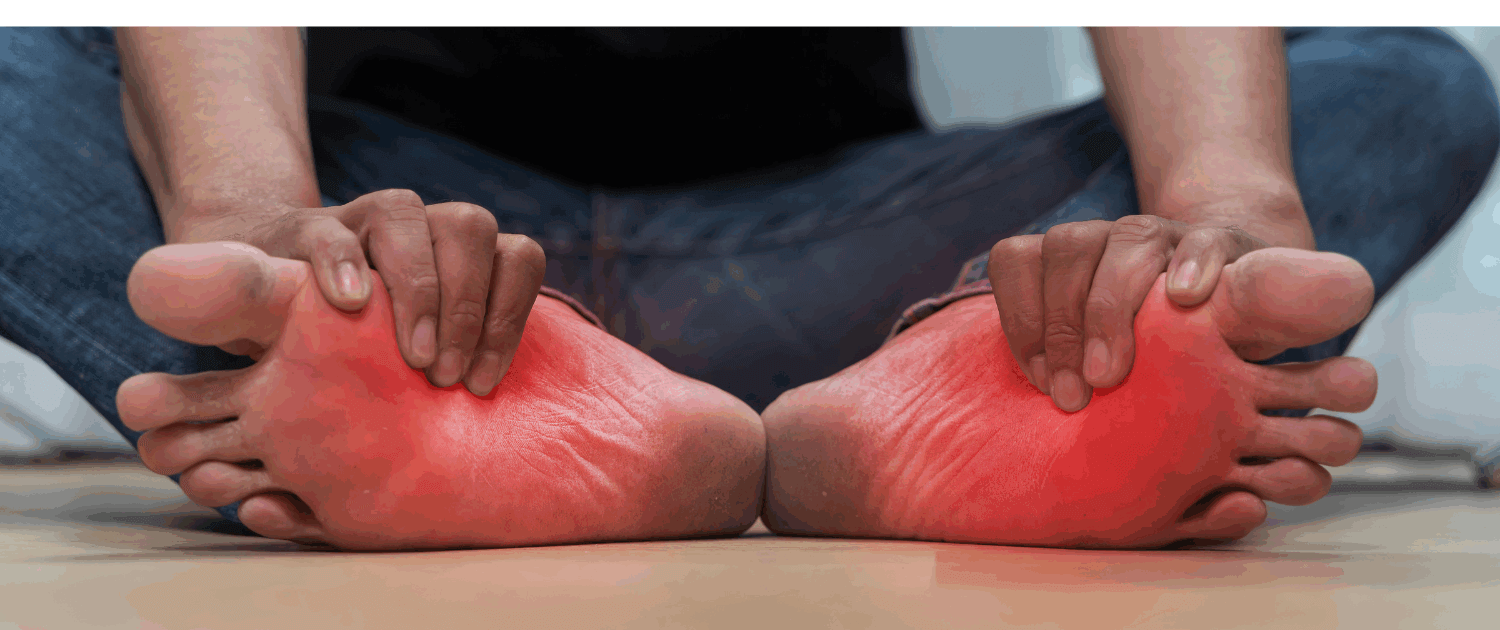
You’re lying in bed, and your feet are on fire. Not literally — but the burning, tingling, and numbness feel relentless. You’ve kicked off the covers because even the weight of a sheet is unbearable. During the day, it’s the pins-and-needles sensation when you walk, the feeling that you’re stepping on pebbles that aren’t there, or the sudden electric jolt that shoots through your toes without warning.
At some point, you stop asking which pill or device is newest and start wondering whether anyone actually understands what’s wrong with your nerves — and whether it can truly be fixed, not just numbed.
If you’ve been living with neuropathy, you already know the frustration. Maybe your doctor prescribed gabapentin or Lyrica, and the side effects — dizziness, brain fog, weight gain — feel almost as bad as the neuropathy itself. Maybe you’ve been told there’s nothing more they can do.
Here’s what I want you to know: neuropathy treatment has come a long way, and here at Synergy in Naperville, we approach nerve dysfunction differently than most clinics. I’m Dr. Jennifer Wise, DC, Acupuncturist. I’ve treated complex pain in this community since 2000, with 16 years focused specifically on peripheral neuropathy after I was trained directly by Dr. John Hayes Jr. in 2010. Synergy Institute Acupuncture & Chiropractic is one of the most experienced neuropathy treatment providers in Naperville, and the first clinic here to integrate the Neurogenx 4000Pro as the centerpiece of a structured, sequenced program that treats the actual cause. If you’ve been searching for breakthrough neuropathy treatment near me in the Naperville area, this article explains what’s actually happening in your nerves, why most treatments fall short, and what real recovery requires.
Looking for real neuropathy relief in Naperville? Call or text (630) 454-1300 to schedule your evaluation.
Synergy Institute Acupuncture & Chiropractic is a peripheral neuropathy treatment clinic located in Naperville, Illinois, near the Route 59 and 111th Street intersection. We treat diabetic, chemotherapy-induced, and idiopathic peripheral neuropathy with a sequenced program built on one principle: damaged nerves can recover when you restore the cellular conditions that let them heal, and remove whatever is still driving the damage.
What sets our approach apart starts with the foundation most clinics skip — chiropractic care and acupuncture in the hands of a dual-credentialed clinician who can actually diagnose why your nerves are failing — and only then layers in advanced therapy: high-frequency electrotonic stimulation, targeted neuromodulation, bioelectric recovery work, and the cellular nutrition and circulation support that make any of it hold. Single-device clinics can’t do this, because the answer was never one device.
Independent laboratory analysis of skin-biopsy samples (Bako Pathology Services and Advanced Laboratory Services) has documented increases in epidermal nerve fiber density ranging from 42% to over 700% in patients treated with this category of high-frequency therapy — structural nerve regrowth confirmed under a microscope, not just reported symptom relief.
The best neuropathy treatment in Naperville isn’t about one therapy — it’s about applying the right combination, in the right sequence, matched to what’s actually wrong with your nerve.
Neuropathy Quick Facts
| What You Should Know | The Details |
|---|---|
| How common is it | Affects an estimated 20–30 million Americans; prevalence rises to over 25% in adults over 70 |
| Most common cause | Diabetes (roughly 30–40% of cases), but many cases have no identifiable cause |
| Key symptoms | Burning, tingling, numbness, electric-shock pain, balance problems |
| Often misdiagnosed as | Poor circulation, restless leg syndrome, arthritis, “just aging” |
| Treatment timeline | Many patients notice improvement within 4–8 weeks with proper treatment |
| When to worry | Sudden onset, rapid progression, muscle weakness, or loss of bladder/bowel control |
What Is Peripheral Neuropathy?
Peripheral neuropathy is damage or dysfunction of the peripheral nerves — the communication network that carries signals between your brain, spinal cord, and the rest of your body. These nerves control everything from the sensation in your fingertips to the muscles in your feet to automatic functions like digestion and blood pressure.
When these nerves are damaged, the signals get scrambled. Your brain might receive pain signals when nothing painful is happening. Or your nerves might stop sending signals altogether, leaving you with numbness and an inability to feel temperature changes or injuries.
Here’s what most people don’t realize: in many cases, the nerves aren’t destroyed. They’re dysregulated — firing when they shouldn’t, staying silent when they should be communicating, and operating at the wrong “voltage.” Think of it like a radio station drifting off frequency. The signal is still there, but it’s coming through as static instead of clear sound. This distinction matters enormously, because a dysregulated nerve can potentially be restored. A completely dead nerve cannot.
There are three main types of peripheral nerves that can be affected. Sensory nerves carry information about touch, temperature, and pain — when these malfunction, you get the burning, tingling, and numbness most people associate with neuropathy. Motor nerves control muscle movement, and damage here leads to weakness, cramping, and coordination problems. Autonomic nerves regulate involuntary functions like heart rate, digestion, and sweating — dysfunction here can cause dizziness, digestive issues, and abnormal perspiration.
What Causes Neuropathy?
Understanding the cause of your neuropathy isn’t just academic — it directly determines which treatments will work for you. Here are the most common causes I see in my Naperville practice:
Diabetes and metabolic dysfunction. The most common form, affecting roughly half of all people with diabetes over their lifetime. High blood sugar damages the small blood vessels that supply nerves, starving them of oxygen and nutrients. But you don’t have to be diabetic to have metabolic neuropathy — pre-diabetes, metabolic syndrome, elevated triglycerides, and obesity can all damage nerves through similar mechanisms.
Chemotherapy. Platinum-based drugs and taxanes are notorious for causing peripheral neuropathy. These agents are direct mitochondrial toxins — that is literally the mechanism by which chemo damages nerves — and for some patients the damage persists long after treatment ends.
Autoimmune conditions. Lupus, rheumatoid arthritis, Sjögren’s syndrome, and Guillain-Barré syndrome can trigger the immune system to attack peripheral nerves.
Spinal nerve compression. Herniated discs, spinal stenosis, and other structural problems can compress nerve roots where they exit the spine, causing symptoms that mimic or overlap with peripheral neuropathy.
Nutritional deficiencies. B vitamins — particularly B12, B6, and B1 (thiamine) — are critical for nerve health. Deficiencies are more common than most people realize, especially in older adults and those taking medications like metformin or proton pump inhibitors.
Idiopathic (unknown cause). In roughly 30% of cases, no clear cause is identified even after extensive testing. Frustrating — but it doesn’t mean treatment can’t help.
Other causes include alcohol use, infections (Lyme disease, shingles, HIV), kidney disease, thyroid disorders, physical trauma, and certain medications beyond chemotherapy.
Why This Matters for Treatment
This is where most neuropathy clinics get it wrong. They apply the same protocol to every patient regardless of cause. But the first question is never “which treatment” — it’s “what is actually wrong with this nerve?” A patient may have a cellular energy failure, a spinal driver, a peripheral entrapment, or a combination of all three at once — a double- or triple-crush picture. A clinic that can only do one thing can’t even identify which problems are present, let alone treat them.
At our clinic, the first step is always identifying what’s driving your neuropathy. Once we understand the cause, we match the right combination of treatments to your specific situation — individualized in your evaluation, not a cookie-cutter protocol. That diagnostic judgment is the work of a clinician, not a marketing package, and it’s where the dual chiropractic and acupuncture credential is a genuine diagnostic advantage.
Symptoms of Peripheral Neuropathy
Symptoms vary depending on which nerves are affected and how severely. Sensory symptoms are most common: burning pain (especially feet and hands), tingling or “pins and needles,” numbness or reduced ability to feel pain and temperature, sharp stabbing or electric-shock pain, extreme sensitivity to touch where even a bedsheet hurts, and a feeling of wearing socks or gloves when you’re not.
Motor symptoms develop when the nerves controlling muscles are involved: weakness (especially feet and legs), difficulty walking or balancing, cramping or twitching, and loss of coordination or dropping objects.
Autonomic symptoms can be harder to connect to neuropathy but include dizziness when standing, digestive problems, abnormal sweating, and changes in blood pressure or heart rate.
The classic pattern is a “stocking-glove” distribution — starting in the toes and fingers and working upward. But neuropathy doesn’t always follow the textbook; some patients have symptoms in just one area, others have widespread involvement.
🚨 Seek Immediate Medical Care If You Experience:
- Sudden severe weakness in your legs or arms
- Loss of bladder or bowel control
- Rapid onset of numbness spreading upward from your feet
- Difficulty breathing combined with numbness or weakness
- Neuropathy symptoms following a recent injury or infection
These symptoms may indicate a serious neurological emergency such as Guillain-Barré syndrome or cauda equina syndrome and require immediate evaluation.
Neuropathy Treatment Options: A Comparison
| Treatment | How It Works | Best For | Limitations |
|---|---|---|---|
| Medications (gabapentin, pregabalin, duloxetine) | Block or reduce pain signals | Short-term symptom management | Doesn’t address nerve dysfunction; significant side effects |
| Standard TENS | Low-frequency electrical stimulation (~100 Hz) | Temporary pain relief | Superficial — doesn’t reach deep nerve tissue |
| Physical therapy | Strength, balance, mobility exercises | Maintaining function | Limited effect on nerve regeneration |
| High-frequency electrotonic therapy (Neurogenx 4000Pro) | 400–60,000 Hz restores cellular voltage and environment so the nerve can repair | Diabetic, chemo-induced, idiopathic neuropathy at most stages | Works best as the centerpiece of a full program, not alone |
| Stimpod neuromodulation (tPRF) | Pulsed radiofrequency interrupts established wrong pain patterns | Nerve-specific pain, abnormal firing patterns | Requires a skilled operator |
| ARPwave bioelectric therapy | Direct-current signal restores muscle firing and function | Downstream weakness, instability, functional recovery | A recovery layer, not a standalone fix |
| SoftWave therapy | Acoustic waves improve blood flow, reduce inflammation | Poor circulation to nerves, inflammation | Supporting treatment, not standalone |
| Acupuncture | Modulates bioelectric signaling, reduces inflammation | Pain modulation, nerve function | Works best within an integrative approach |
| MLS laser therapy | Dual-wavelength laser reduces inflammation | Inflammation around nerves | Supporting treatment |
| Nutritional support | Corrects deficiencies and protects mitochondria | Metabolic and deficiency-related neuropathy | Takes weeks to months for full effect |
How Our Neuropathy Treatments Work
Here’s what most clinics won’t tell you: the standard approach — prescribe medication and tell you to manage it — misses the point. Medications mask the signal. They don’t fix the nerve.
Our approach is built on the actual biology. Most chronic neuropathy is, at its root, a cellular energy failure. Your peripheral nerves are the most energy-hungry tissue in your body. The mitochondria inside each nerve cell produce the energy that powers the ion pumps that hold the nerve’s voltage. When mitochondria are damaged — by high blood sugar, by chemotherapy, by years of oxidative stress — the nerve can’t hold its charge, so it misfires (burning, tingling) or goes silent (numbness). Restore the energy state and the environment around the nerve, remove what’s still driving the damage, and the nerve can recover. That’s the whole model. Here’s how the pieces serve it.
Neurogenx 4000Pro — The Centerpiece
The Neurogenx 4000Pro is high-frequency electrotonic therapy operating across a range of 400 to 60,000 Hz. For perspective, a standard TENS unit runs around 100 Hz, and older neuropathy devices — including the earlier-generation ReBuilder technology I was certified in back in 2010 — operate down around 7 to 12 Hz. The frequency range is what lets the therapy reach the cellular level where the energy problem actually lives, rather than only stimulating the surface.
Here’s the precise, honest version of how it works, because the precision is the point: the device does not send the correct signals for your nerve. It’s not a pacemaker imposing a signal. It restores the cellular conditions — the voltage and the environment around the damaged nerve — so the nerve can resume signaling correctly on its own, once it’s healthy enough to. The device creates the conditions for recovery; the nerve does the recovering. Any clinic that tells you a machine “sends the right signals back into your nerves” is overselling — and overselling is the tell.
We were the first clinic in Naperville to integrate the Neurogenx 4000Pro.
Stimpod tPRF Neuromodulation
Restoring voltage doesn’t, by itself, undo the wrong pain patterns a nerve has been locked into for years. The Stimpod NMS460 delivers a different signal entirely — pulsed radiofrequency (tPRF) — that helps interrupt and reset those established patterns while the nerve heals. I was the first doctor in Illinois to offer Stimpod tPRF neuromodulation, and it’s been a remarkable addition for patients with burning, electric-shock pain, and nerve zingers that haven’t responded to anything else. Where it fits, I integrate my acupuncture training with it — many acupuncture points correspond with nerve pathways.
Together, the approved way to think about these two: Neurogenx jump-starts the nerve’s energy so it can signal correctly; Stimpod helps retrain it out of the wrong signals it’s stuck in. Jump-start and retrain.
ARPwave Bioelectric Therapy
Nerve damage leaves downstream consequences — muscle weakness, instability, lost range of motion — that energy and signaling work don’t fully resolve on their own. ARPwave delivers a direct-current bioelectric signal targeting the neuromuscular side, restoring muscle firing and function once the nerve is signaling again.
The Foundation That Makes It Hold
Voltage applied to a nerve that’s still starved, inflamed, and being damaged is wasted input. That’s why the foundation layer matters: the right nerve-repair nutrients delivered continuously through the day (water-soluble B vitamins aren’t stored — a single morning dose is gone by midday while the nerve repairs around the clock), circulation to deliver them, and molecular hydrogen therapy as a selective antioxidant to protect the mitochondria themselves. The evidence for molecular hydrogen is strong and growing, particularly for the oxidative-stress-driven damage in diabetic and chemo-induced cases.
And the one part that’s on you: an anti-inflammatory diet. I’ll be honest the way the template clinics never are — this is non-negotiable. Ongoing inflammation keeps damaging the nerve environment. Without the dietary change, the rest of the work is fighting a fire while fuel is still being poured on it, and the gains won’t hold. No device can do this part for you, and patients who skip it should expect their results not to last.
SoftWave, MLS Laser, and Acupuncture
SoftWave therapy uses acoustic waves to stimulate angiogenesis — new blood vessel formation — improving circulation to nerve tissue starved of oxygen, and helping release tissue restriction around an entrapped nerve. MLS laser supports the healing environment by reducing inflammation around damaged nerves. Acupuncture, approached through a bioelectric lens, helps reduce abnormal nerve firing and activate the body’s own pain-modulation pathways. A 2023 meta-analysis in Frontiers in Neurology found acupuncture significantly reduced pain scores and improved nerve conduction velocity in painful diabetic peripheral neuropathy.
When the Cause Is Structural
If a compressed nerve root or stenosis is feeding your symptoms, the energy work alone won’t fully hold — those patients need spinal decompression to address the mechanical contributor. If the nerve is pinched along its path in the limb, that entrapment point has to be released through chiropractic care and manual therapy. Many longstanding cases have both. Matching the full picture is what real neuropathy care is. You can compare the full set of options on our best neuropathy treatment in Naperville overview.
The Measurable Proof
This is the question that separates real restoration from symptom masking: can you measure it? For this category of high-frequency therapy, independent laboratory analysis of skin-biopsy samples — Bako Pathology Services and Advanced Laboratory Services — has documented increases in epidermal nerve fiber density ranging from roughly 42% to over 700%. Epidermal nerve fiber density is the standard objective measure of small-fiber nerve health. That’s structural nerve regrowth confirmed under a microscope. Across the broader provider network using this technology, the manufacturer reports major improvement or complete relief in more than four out of five treated patients. The honest caveat the marketing won’t add: outcomes vary by cause, stage, and how fully a patient does their part. But “we can show you nerve fiber regrowth on biopsy” is a fundamentally different claim than “we can quiet the pain for a while.”
Synergy’s Integrative Neuropathy Approach: Why Single-Treatment Clinics Fall Short
Here’s the problem with most neuropathy programs: they rely on a single modality. One laser. One device. One supplement protocol. And they apply it to every patient who walks in.
Neuropathy is a multi-layered problem. The nerve itself may be dysfunctional. The blood supply may be compromised. Inflammation may be irritating it. Nutritional deficiencies may be blocking repair. And the underlying cause may still be active. After 26 years of treating neuropathy, what I’ve learned is that you have to address these layers together — and match the combination to the patient, not run one protocol on everyone. That’s the whole point.
Are You a Good Candidate for Neuropathy Treatment?
You may be a good candidate if:
- You have burning, tingling, or numbness in your hands or feet
- Medications aren’t providing relief or the side effects are intolerable
- Your symptoms have been progressively worsening
- You have diabetic or chemotherapy-induced neuropathy
- You’ve been told “nothing more can be done”
- You have neuropathy of unknown cause (idiopathic)
- You want to reduce dependence on neuropathy medications
- You’re willing to do the dietary and nutritional part of the program
You may NOT be a good candidate if:
- You have a severe active infection or uncontrolled systemic illness
- Your neuropathy is from a genetic condition requiring specialized neurological management
- You have complete nerve death (no remaining function in the affected area)
- You can’t commit to a treatment series over weeks to months
- Your symptoms are actually from a central nervous system condition (MS, stroke) rather than peripheral neuropathy
- You have an implanted electrical device, in which case some electrotherapies aren’t appropriate
Here’s my honest commitment: if I don’t think we can help you, I’ll tell you directly. I’d rather refer you to someone who can help than waste your time and money. Not everyone is a good candidate, and that’s okay.
What to Expect at Your Neuropathy Consultation
Your first visit includes a thorough evaluation — not a quick exam followed by a sales pitch. We take a comprehensive history (when symptoms started, how they’ve progressed, what you’ve tried, your medications and health history — this often reveals causes previous providers missed), a neurological assessment (sensation, reflexes, strength, coordination), and a review of any imaging or lab work you bring. Then I give you my straight opinion: whether I think we can help, what combination I’d recommend, how long it’s likely to take, and what results are realistic. If appropriate, we can often begin treatment the same day.
Most programs run about twice weekly for the first 8–12 weeks, then taper based on response, with maintenance individualized to your case. Some patients notice changes within the first few sessions; others need several weeks before nerve repair produces noticeable change. I set realistic expectations from day one.
Why Choose Synergy Institute for Neuropathy Treatment
Most neuropathy clinics offer one or two options. We offer an entire toolkit — because no single treatment addresses every layer of nerve dysfunction.
- 16 years focused on peripheral neuropathy, beginning with direct training under Dr. John Hayes Jr. in 2010 (certified NeuropathyDR)
- First Neurogenx 4000Pro provider in Naperville, and first Stimpod tPRF neuromodulation provider in Illinois
- Pioneer in advanced pain treatment since 2002 — among the first in Illinois with spinal decompression, and Naperville’s first SoftWave provider in 2021
- High-frequency electrotonic therapy operating across 400–60,000 Hz, far beyond what surface stimulation can reach
- Biopsy-documented results, not just symptom surveys
- 26 years of clinical experience — a Palmer graduate, dual-trained in chiropractic and acupuncture
- Honest assessment philosophy — we don’t oversell; if we can’t help your type of neuropathy, we’ll tell you and help you find someone who can
Here’s the short version, if you remember one thing: the real advance in neuropathy isn’t a single machine. It’s understanding that neuropathy is a cellular energy failure, restoring that system with the right combination in the right sequence, removing whatever is still driving the damage, and being honest about who it helps. That’s the entire model here at Synergy — and it’s the part no template program can copy, because it lives in the diagnosis, not the device.
Frequently Asked Questions About Neuropathy Treatment
Can neuropathy be reversed?
It depends on the cause and severity. Neuropathy from nutritional deficiencies can often improve significantly once the deficiency is corrected. Diabetic neuropathy may be partially reversed, especially with early intervention. In many cases, even when nerves can’t be fully restored, their function can be substantially improved — less pain, better sensation, better quality of life. Independent biopsy analysis has documented real nerve fiber regrowth with this approach. The key is starting before damage becomes permanent.
How is your neuropathy treatment different from what my doctor offers?
Most physicians manage neuropathy with medications — gabapentin, pregabalin, or duloxetine. Those reduce pain signals but don’t address the underlying nerve dysfunction. Our approach targets the nerve itself — its voltage, its energy production, its ability to communicate — through high-frequency electrotonic therapy, neuromodulation, bioelectric recovery, and the foundation work that makes it hold. We’re trying to fix the problem, not just turn down the volume on the symptom.
Does neuropathy treatment hurt?
No. Our treatments are comfortable and well-tolerated. The electrotonic and neuromodulation sessions produce a warm, gentle pulsing or light-tapping sensation. SoftWave involves mild pressure. Acupuncture uses very thin needles most patients barely feel. Many patients find the treatments relaxing.
How long before I notice improvement?
It varies by individual and by the type and severity of neuropathy. Some patients notice changes within the first few sessions — less burning, better sensation, less pain at night. Others need 3–4 weeks before noticeable improvement begins. Most patients who are going to respond see meaningful improvement within the first 6–8 weeks of consistent treatment.
Is neuropathy treatment covered by insurance?
Some components may be covered, including certain examination and treatment codes. Coverage varies widely by plan. Many patients use HSA or FSA funds, and financing options are available. We’ll go over the specifics transparently at your evaluation.
What if my neuropathy is caused by diabetes?
Diabetic neuropathy is one of the most common types we treat. Our approach addresses both the nerve dysfunction and the metabolic factors contributing to it. We work alongside your primary care physician or endocrinologist — we’re not replacing their diabetes management, we’re adding targeted nerve treatment medications alone can’t provide.
Can you help with chemotherapy-induced neuropathy?
Yes. Chemotherapy-induced peripheral neuropathy is particularly responsive to our electrotonic and neuromodulation protocols. Many chemotherapy agents damage nerves by acting as direct mitochondrial toxins, which is exactly the layer the foundation and energy-restoration work targets.
What’s the difference between your electrotherapy and a regular TENS unit?
The difference is large. A standard TENS unit operates around 100 Hz and primarily affects surface muscles and pain receptors — it blocks pain signals temporarily but doesn’t reach the nerve itself. The Neurogenx 4000Pro operates across 400 to 60,000 Hz, reaching the cellular level where nerve dysfunction originates. It’s not just pain relief — it’s restoring the conditions the nerve needs to repair.
Do I need a referral to see you for neuropathy?
No referral is needed. You can call or text us directly to schedule. Call or text (630) 454-1300, or call (630) 355-8022. If you have existing records, imaging, or lab results, please bring them — they help us build the most effective plan from day one.
What types of neuropathy do you treat?
Peripheral neuropathy of all types — diabetic, chemotherapy-induced, idiopathic (unknown cause), post-surgical nerve pain, nerve entrapment syndromes, and neuropathy associated with autoimmune conditions. We also treat related nerve conditions like occipital neuralgia, pudendal neuralgia, and radiculopathy.
Can neuropathy lead to serious complications if left untreated?
Yes. Untreated neuropathy can worsen over time, leading to loss of sensation that increases fall risk and makes injuries harder to detect. In diabetic neuropathy specifically, loss of protective sensation in the feet can lead to undetected wounds, infections, and in severe cases amputation. Research published in the Annals of Internal Medicine found peripheral neuropathy was independently associated with higher mortality in U.S. adults, reinforcing the importance of early treatment.
How many neuropathy treatment sessions will I need?
Most patients need a series over the first 8–12 weeks for initial improvement, with some requiring ongoing maintenance. The exact number depends on severity, how long you’ve had symptoms, the underlying cause, and how you respond. I’ll give you a realistic estimate after your evaluation.
Take the Next Step Toward Neuropathy Relief
Neuropathy doesn’t have to control your life. The burning, tingling, and numbness that keeps you up at night and limits your days can improve — often significantly — with the right approach.
At Synergy Institute in Naperville, my team and I have spent 26 years building a program that treats the cause of neuropathy, not just the noise it makes. If I don’t think we can help you, I’ll tell you directly — and help you find someone who can.
Call or text (630) 454-1300 to schedule your consultation, or call our office directly at (630) 355-8022.
What to expect at your first visit:
- Complete evaluation of your condition
- Review of your imaging or lab work
- Honest assessment of your treatment options
- Same-day treatment if appropriate
Synergy Institute Acupuncture & Chiropractic 4931 Illinois Rte 59, Suite 121 Naperville, IL 60564 Near the Route 59 and 111th Street intersection.
Serving Naperville, Plainfield, Bolingbrook, Aurora, Oswego, and surrounding communities.
References
- Hicks CW, Wang D, Matsushita K, Windham BG, Selvin E. Peripheral Neuropathy and All-Cause and Cardiovascular Mortality in U.S. Adults. Annals of Internal Medicine. 2021;174(2):167-174. https://pubmed.ncbi.nlm.nih.gov/33284680/
- Hicks CW, Wang D, Windham BG, Matsushita K, Selvin E. Prevalence of peripheral neuropathy defined by monofilament insensitivity in middle-aged and older adults in two US cohorts. Scientific Reports. 2021;11(1):19159. https://www.nature.com/articles/s41598-021-98565-w
- Hammi C, Yeung B. Neuropathy. StatPearls. Updated October 15, 2022. https://www.ncbi.nlm.nih.gov/books/NBK542220/
- Callaghan BC, Cheng HT, Stables CL, Smith AL, Feldman EL. Diabetic neuropathy: clinical manifestations and current treatments. The Lancet Neurology. 2012;11(6):521-534.
- National Institute of Neurological Disorders and Stroke. Peripheral Neuropathy. National Institutes of Health. https://www.ninds.nih.gov/health-information/disorders/peripheral-neuropathy
- Cleveland Clinic. Peripheral Neuropathy: What It Is, Symptoms and Treatment. 2024. https://my.clevelandclinic.org/health/diseases/14737-peripheral-neuropathy
- Areti A, Yerra VG, Naidu V, Kumar A. Oxidative stress and nerve damage: Role in chemotherapy-induced peripheral neuropathy. National Library of Medicine, NIH. https://www.ncbi.nlm.nih.gov/pmc/articles/PMC4053914/
- Zhou L, Wu T, Zhong Z, Yi L, Li Y. Acupuncture for painful diabetic peripheral neuropathy: a systematic review and meta-analysis. Frontiers in Neurology. 2023;14:1281485. https://pmc.ncbi.nlm.nih.gov/articles/PMC10690617/
- Ohta S. Molecular hydrogen as a selective antioxidant: a review. National Library of Medicine, NIH. https://www.ncbi.nlm.nih.gov/pmc/articles/PMC4818264/
- Feldman EL, Callaghan BC, Pop-Busui R, et al. Diabetic neuropathy. Nature Reviews Disease Primers. 2019;5(1):41.
- Mayo Clinic. Peripheral Neuropathy — Diagnosis and Treatment. 2023. https://www.mayoclinic.org/diseases-conditions/peripheral-neuropathy/diagnosis-treatment/drc-20352067
Medical Disclaimer
This content is for informational and educational purposes only and does not constitute medical advice, diagnosis, or treatment. Always consult with a qualified healthcare provider before making any medical decisions. Individual results may vary.
If you are experiencing a medical emergency, call 911 immediately.
Reviewed by Dr. Jennifer Wise, DC, Acupuncturist — May 2026