
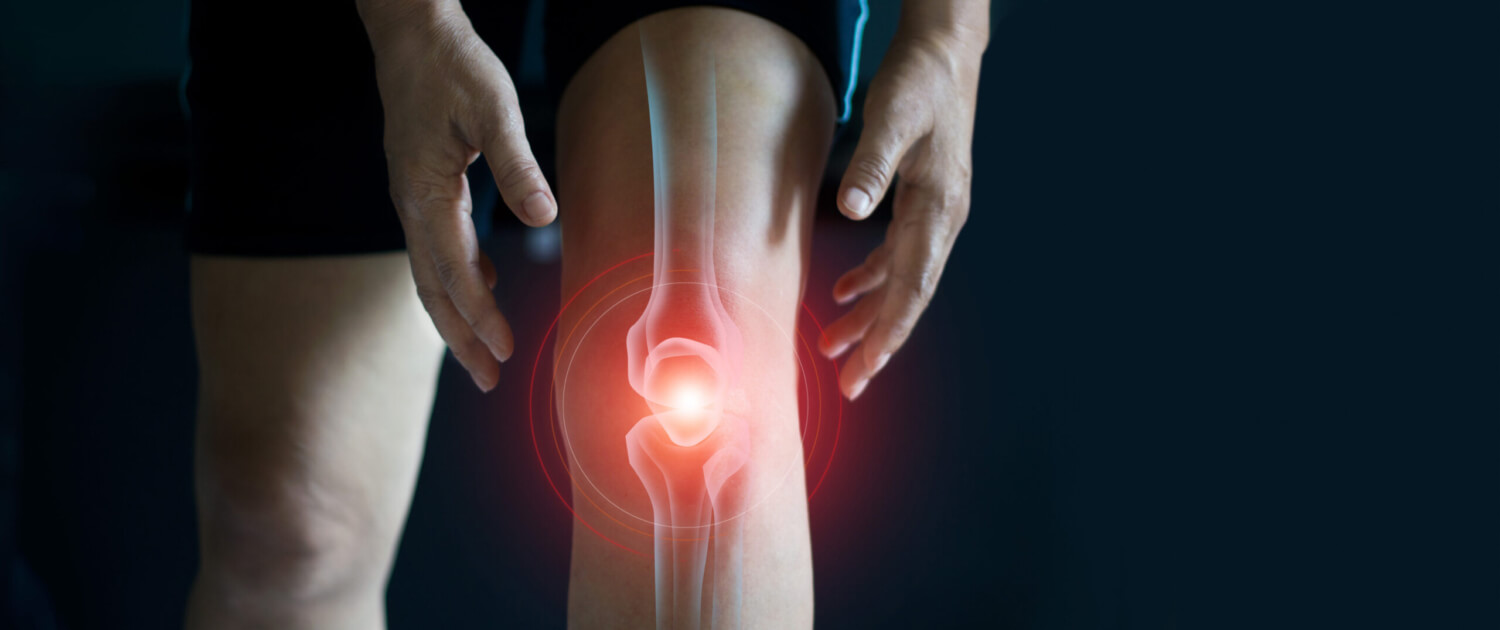
SoftWave Therapy for Knee Pain in Naperville IL
You’ve probably tried the usual path. Rest, ice, ibuprofen. Maybe a cortisone shot that helped for a few weeks then wore off. Physical therapy that plateaued. And at some point, a doctor looked at your MRI and said something like “you have bone-on-bone arthritis” or “there’s nothing more we can do short of a knee replacement.”
If you’re reading this, you’re not ready to accept that answer — and you shouldn’t be.
I’m Dr. Jennifer Wise, DC, Acupuncturist at Synergy Institute Acupuncture & Chiropractic in Naperville. I’ve been treating knee pain for 26+ years, and I’ve watched SoftWave therapy change outcomes for patients who had been told their only option was surgery. We were the first clinic in Naperville to offer SoftWave therapy — in August 2021 — and the knee is one of our strongest applications. The reason it works so well for knee pain isn’t magic. It’s biology. And once you understand what’s actually happening in your knee, it makes complete sense.
This article explains why so many knee pain patients stay stuck, exactly how SoftWave works at the cellular level, which knee conditions respond best, and what an honest treatment plan at Synergy actually looks like.
Synergy Institute Acupuncture & Chiropractic offers SoftWave therapy for knee pain, knee osteoarthritis, meniscus injuries, patellar tendinopathy, and post-surgical knee recovery in Naperville, IL.
We combine SoftWave therapy with knee decompression, MLS laser, acupuncture, and chiropractic care for a comprehensive approach that single-treatment clinics cannot match.
A 2023 systematic review published in the International Journal of Surgery, analyzing 14 randomized controlled trials and clinical studies encompassing 782 participants, found that extracorporeal shockwave therapy produced significant reductions in knee pain scores and measurable improvements in functionality, range of motion, and walking capacity in patients with knee osteoarthritis and related conditions.
Looking for SoftWave therapy for knee pain in Naperville? Call or text (630) 454-1300 to schedule your evaluation.
The direct answer: SoftWave therapy for knee pain in Naperville is an FDA-cleared, non-invasive treatment that uses electrohydraulic acoustic waves to activate the body’s own stem cells, create new blood vessel formation, and stimulate tissue repair in damaged knee structures — without surgery, injections, or downtime. At Synergy Institute, we use the TRT OrthoGold 100, the most clinically validated unfocused shockwave device available, and we’ve been treating knee pain with it since 2021. If you have knee osteoarthritis, meniscus damage, patellar tendinopathy, or chronic knee pain that hasn’t responded to other treatments, SoftWave is worth a serious evaluation.
SoftWave Therapy for Knee Pain — Quick Facts
| Details | |
|---|---|
| What it is | FDA-cleared electrohydraulic shockwave therapy — activates stem cells, stimulates angiogenesis, reduces inflammation |
| Best for | Knee osteoarthritis, meniscus damage, patellar tendinopathy, bursitis, post-surgical recovery, chronic knee pain |
| How it works | Acoustic waves trigger mechanotransduction — cellular repair cascade including TLR3 pathway activation |
| Session length | 10–15 minutes |
| Typical sessions | 6–8 for most conditions; complex cases may need more |
| Pain during treatment | Minimal — mild tapping sensation; no anesthesia needed |
| Downtime | None — return to normal activity same day |
| Insurance | Self-pay; HSA/FSA accepted; CareCredit available |
| Entry point | $49 Discovery Session — includes consultation, evaluation, and first treatment |
| Provider | Dr. Jennifer Wise — Naperville’s first SoftWave provider since August 2021 |
Why Your Knee Pain Isn’t Getting Better
Before we talk about what SoftWave does, it helps to understand why knee pain becomes chronic in the first place — because most treatments fail by addressing only one layer of the problem.
The knee is the largest and most complex joint in the body. It bears your full body weight with every step, and it sits at the intersection of two long lever arms — the femur above and the tibia below. When something goes wrong, it rarely involves just one structure. More often it’s a combination of:
Cartilage degeneration. The articular cartilage that cushions the knee joint has poor blood supply and limited capacity to repair itself without external stimulus. Once it begins to break down, the standard medical response is to manage symptoms — not reverse the process.
Chronic inflammation. The joint environment becomes flooded with inflammatory cytokines that actually inhibit healing. Anti-inflammatory medications and cortisone injections suppress this inflammation temporarily, but they don’t change the underlying environment. Worse, repeated cortisone use weakens cartilage and tendon tissue over time.
Stem cell depletion. Healthy tissue has resident stem cells that respond to injury by initiating repair. In chronically inflamed, degenerated tissue, those stem cells become dormant — the healing signal isn’t strong enough to wake them up.
Poor circulation. Damaged tissue has reduced blood flow. Without adequate circulation, the nutrients and oxygen needed for repair don’t reach the area in sufficient quantity. This is why chronic knee pain tends to plateau — the body is trying to heal but can’t get the resources there.
This is why ice packs and ibuprofen help temporarily but don’t hold. It’s why cortisone provides short-term relief but the pain returns. And it’s why surgery — while sometimes necessary — often doesn’t address the biological environment that caused the problem in the first place.
SoftWave works differently because it targets all four of these mechanisms simultaneously.
What Is SoftWave Therapy for Knee Pain in Naperville?
SoftWave therapy uses the TRT OrthoGold 100 — the authentic unfocused electrohydraulic shockwave device — to deliver acoustic waves into the knee joint and surrounding tissue. These aren’t the same as the radial pressure wave devices common in many clinics. The OrthoGold 100 generates true shockwaves through a high-voltage electrical discharge in water, creating waves that travel at over 3,300 miles per hour and penetrate up to 4–5 inches deep — reaching the cartilage, meniscus, tendons, and joint capsule.
The treatment zone is 7cm × 12cm per pass — covering the entire knee in a single session rather than treating a pinpoint area. This comprehensive coverage is one of the reasons it works so well for the knee, where multiple structures are often involved simultaneously.
What it doesn’t do: cause microtrauma. Unlike focused shockwave devices that rely on controlled tissue damage to prompt healing, SoftWave creates healing without damage. That’s why it’s comfortable, requires no anesthesia, and produces no downtime. For a full explanation of how SoftWave differs from other shockwave devices, see our shockwave vs. SoftWave comparison.
How SoftWave Actually Heals the Knee — The Science
When SoftWave’s acoustic waves reach knee tissue, they trigger mechanotransduction — the conversion of mechanical force into cellular healing signals. Here’s what happens:
Stem cell activation. The shockwaves activate the TLR3 pathway — the body’s master switch for regeneration. This recruits mesenchymal stem cells to the treatment area and activates the resident stem cells that had gone dormant. These stem cells differentiate into the specific tissue types the knee needs — cartilage cells, tendon cells, and synovial tissue.
Angiogenesis. SoftWave stimulates the formation of new blood vessels in the treated area. This is the breakthrough mechanism for chronic knee pain — restoring circulation to tissue that had become poorly vascularized, allowing healing resources to flow in and inflammatory byproducts to flow out.
Inflammation modulation. Rather than simply suppressing inflammation, SoftWave guides it through its proper three-phase cycle — acute inflammatory response, tissue proliferation, and remodeling. Anti-inflammatory drugs interrupt this cycle at Phase 1. SoftWave orchestrates all three phases, which is why results tend to be lasting rather than temporary.
Cellular environment reset. The cytokine environment of a chronically inflamed knee joint gradually normalizes. Patients often notice that the knee becomes less reactive and more resilient over the treatment course — not just less painful in the moment.
If Your Knee Pain Is From This — Here’s Why SoftWave Helps
Different knee conditions respond to SoftWave through different mechanisms. This is important because it’s not a one-size-fits-all treatment:
If your knee pain is from osteoarthritis → SoftWave activates stem cells that can differentiate into chondrocytes — cartilage cells. It also modulates the inflammatory environment that accelerates cartilage breakdown. Research shows significant pain reduction and functional improvement in KOA patients, including those with moderate to severe disease. For end-stage osteoarthritis with complete cartilage loss, SoftWave can still reduce pain and improve function, though the structural repair is more limited.
If your knee pain is from meniscus damage → The meniscus has poor blood supply in its inner two-thirds — the reason meniscus tears historically “don’t heal.” SoftWave-stimulated angiogenesis can partially restore vascular supply to the area, supporting healing that wouldn’t occur otherwise. Combined with knee decompression to reduce compressive load, this can be a powerful approach.
If your knee pain is from patellar tendinopathy (jumper’s knee) → Tendon degeneration responds exceptionally well to SoftWave because the mechanism directly targets the chronic degenerative process — activating repair cells, reducing the disorganized collagen patterns that characterize tendinopathy, and restoring proper tissue structure.
If your knee pain is from bursitis → SoftWave reduces the inflammatory environment driving bursal swelling and sensitization. Most bursitis patients notice significant improvement within the first 2–3 sessions.
If you’ve had knee surgery and still have pain → Post-surgical knee pain often involves scar tissue, poor circulation in the surgical area, and incomplete tissue healing. SoftWave addresses all three — breaking down adhesions, stimulating angiogenesis in scar tissue, and activating repair mechanisms that surgery didn’t fully trigger.
When Standard Knee Treatments Have Failed You
Most patients who come to Synergy for knee pain have already been through the standard sequence. Ibuprofen and ice. Physical therapy — which helped at first but plateaued. One or more cortisone injections that provided relief for weeks but wore off. Maybe a PRP injection. And at some point, a conversation about knee replacement.
Here’s what I tell those patients: the standard treatments failed not because your knee can’t heal, but because they never addressed the actual biological barrier to healing. Cortisone suppresses inflammation but doesn’t restore stem cell activity or circulation. Physical therapy strengthens the muscles around the joint but doesn’t change what’s happening inside it. PRP shows promise but lacks the tissue-penetrating mechanism that SoftWave provides.
I’ve treated patients who were scheduled for knee replacement surgery and found enough relief through SoftWave — combined with knee decompression and other therapies — that they cancelled or postponed the procedure. I’ve also had patients where SoftWave provided meaningful pain reduction and function improvement even when surgery remained the eventual answer. Either way, if you’re facing a major surgical decision, a $49 Discovery Session to explore a non-surgical option first costs you nothing but time.
The Synergy Approach — Beyond SoftWave Alone
At Synergy Institute, SoftWave is rarely the only treatment in a knee pain plan. The knee is a multi-factorial problem and it deserves a multi-factorial solution.
Depending on your specific presentation, I may combine SoftWave with:
Knee decompression therapy — mechanically separates the femur and tibia, reducing compressive load on the cartilage and meniscus and creating space for healing. When combined with SoftWave, the decompression creates the physical environment while SoftWave provides the biological stimulus.
MLS laser therapy — reduces inflammation and accelerates tissue healing at the cellular level through photobiomodulation. Works on different cellular pathways than SoftWave, so the combination is additive, not redundant.
Acupuncture for knee pain — reduces the inflammatory signaling that drives knee pain and works at the nervous system level to modulate pain perception. For osteoarthritis specifically, the American College of Rheumatology recommends acupuncture as a treatment option.
Chiropractic care — addresses the structural contributors to knee load. Hip alignment, lumbar mechanics, and foot biomechanics all affect how force is distributed through the knee. Correcting upstream and downstream structural problems reduces the stress the knee has to absorb.
ARPwave neuromodulation — for patients where muscle inhibition and faulty movement patterns are contributing to the knee problem. Retrains the neuromuscular patterns that keep loading the joint incorrectly.
No other clinic in Naperville offers all five of these under one roof. That’s not a marketing claim — it’s a clinical advantage that produces outcomes single-treatment providers can’t replicate.
Who Is — and Isn’t — a Good Candidate for SoftWave Knee Treatment
Good candidates:
- Knee osteoarthritis, Grade 1–4 (including moderate to severe)
- Meniscus tears — partial, degenerative, or those told “live with it”
- Patellar tendinopathy / jumper’s knee
- Pes anserine bursitis or other knee bursitis
- Post-surgical knee pain or incomplete recovery
- Chronic knee pain that hasn’t responded to PT, injections, or medication
- Patients wanting to avoid or delay knee replacement
May not be appropriate:
- Complete ACL or MCL rupture requiring surgical reconstruction
- Active joint infection
- Pregnancy
- Blood clotting disorders or anticoagulant medications
- Pacemaker (for treatment near the chest — knee treatment is typically fine)
- End-stage osteoarthritis with severe bone deformity where structural correction is the only viable option
I’ll tell you honestly at the Discovery Session which category you’re in. If SoftWave isn’t the right tool for your knee, I’ll tell you that directly and help you find someone who can. If you’re wondering about pricing before you come in, see our detailed breakdown of shockwave therapy costs in Naperville.
What to Expect at Your First SoftWave Visit in Naperville
Your first visit starts with a thorough evaluation — I review your history, any imaging you have (X-ray, MRI), and examine the knee hands-on. This isn’t a quick intake form. I want to understand not just what’s happening in the knee but what’s contributing from above and below.
If SoftWave is appropriate, the treatment itself takes 10–15 minutes. Acoustic gel is applied to the knee, and the OrthoGold 100 handpiece is moved systematically across the joint — medial compartment, lateral compartment, patellar tendon, and any specific areas of tenderness you report. You’ll feel a mild tapping or pulsing sensation. Tender areas during treatment are telling us exactly where the tissue damage is — that’s diagnostic information, not just discomfort.
Most patients notice something during or immediately after the first treatment — a change in sensation, reduced stiffness, or improved range of motion. This isn’t placebo. It’s the anti-inflammatory and neuromodulatory effects of the shockwave beginning to work.
A typical course runs 6–8 sessions, one per week. Complex or long-standing cases may need 10–12 sessions. We reassess after every 3–4 sessions and give you honest feedback on your progress.
Why Naperville Patients Choose Synergy Institute for Knee Pain
- First in Naperville — Dr. Jennifer Wise was the first provider in Naperville to offer SoftWave therapy, starting August 2021
- Most experienced local provider — 4+ years and thousands of SoftWave treatments, with the knee as one of our most-treated applications
- Authentic TRT OrthoGold 100 — the same device used by NFL, NBA, and MLB team physicians, and by major medical centers including Mayo Clinic and Cleveland Clinic
- Full integrative stack — SoftWave, knee decompression, MLS laser, acupuncture, and chiropractic under one roof
- 26+ years clinical experience — Palmer College of Chiropractic graduate specializing in complex musculoskeletal cases
- Honest evaluation — if SoftWave isn’t the right fit for your knee, I’ll tell you directly and point you toward whoever can help
- $49 Discovery Session — low-risk entry point that includes a full evaluation and your first treatment
Frequently Asked Questions
Does SoftWave therapy work for bone-on-bone knees?
Yes — though with realistic expectations. For moderate to severe osteoarthritis including “bone-on-bone” presentations, SoftWave can significantly reduce pain and improve function through its anti-inflammatory and cellular repair mechanisms, even when cartilage restoration is limited. Many patients with severe OA find enough relief to avoid or delay knee replacement. Whether that’s achievable in your specific case is something we evaluate at the Discovery Session.
How many SoftWave treatments will I need for knee pain?
Most patients need 6–8 sessions spaced one week apart. Chronic, long-standing conditions or severe osteoarthritis may require 10–12 sessions. Some patients benefit from periodic maintenance treatments after the initial course. We reassess at each visit and give you honest feedback on your response.
Is SoftWave therapy for knee pain painful?
No — treatment is generally well tolerated. You’ll feel a mild tapping or pulsing sensation. Areas of active inflammation or tissue damage may be more sensitive during treatment, which is actually useful diagnostic information. No anesthesia is needed, and most patients return to normal activity immediately after.
Can SoftWave help my knee if I’ve already had surgery?
Yes — post-surgical knee pain is one of SoftWave’s stronger applications. Scar tissue, poor circulation in the surgical area, and incomplete tissue healing respond well to the combination of angiogenesis stimulation and stem cell activation that SoftWave provides.
How is SoftWave different from a cortisone shot for knee pain?
Cortisone suppresses inflammation temporarily but doesn’t repair the damaged tissue driving the pain — and repeated injections can actually weaken cartilage and tendons over time. SoftWave activates the body’s own repair mechanisms to address the root cause. Results from SoftWave tend to be more durable because the tissue is actually healing. See our detailed comparison: SoftWave vs. cortisone injections.
What knee conditions does SoftWave treat at Synergy?
Knee osteoarthritis (all grades), meniscus tears and degeneration, patellar tendinopathy, pes anserine bursitis, iliotibial band syndrome, post-surgical knee pain, and chronic knee pain from sports injuries or overuse. We also treat bilateral knee pain — both knees — when clinically appropriate.
Does Synergy combine SoftWave with other knee treatments?
Yes — and for most knee patients, we do. Depending on your case, we may integrate SoftWave with knee decompression, MLS laser therapy, acupuncture, chiropractic adjustments, or ARPwave neuromodulation. This integrative approach produces outcomes that SoftWave alone cannot match for complex cases.
How soon will I feel results from SoftWave for knee pain?
Many patients notice improvement during or after their first session — reduced stiffness, improved range of motion, or decreased pain intensity. Meaningful, lasting improvement typically builds over 3–6 sessions. The full tissue repair process continues for weeks after the treatment course ends.
Is SoftWave covered by insurance for knee pain?
Most insurance plans classify SoftWave as an advanced regenerative therapy and do not cover it. It is self-pay. We accept HSA and FSA funds, offer in-house payment plans, and accept CareCredit for patients who want to finance a treatment course. We discuss all options transparently before care begins.
How do I get started with SoftWave for knee pain in Naperville?
Call or text Synergy Institute at (630) 454-1300 to schedule your $49 Discovery Session. We’ll evaluate your knee thoroughly, review your imaging, and give you a direct answer about whether SoftWave is likely to help your specific situation. If it’s not the right fit, we’ll tell you that and help you find the right path forward.
Ready to Find Out If SoftWave Can Help Your Knee?
Synergy Institute Acupuncture & Chiropractic has been Naperville’s first and most experienced SoftWave provider since August 2021. If you’ve been struggling with knee osteoarthritis, meniscus damage, patellar tendinopathy, or chronic knee pain that hasn’t responded to other treatments — I’d like the chance to evaluate your case and give you a straight answer about what’s possible.
Call or text (630) 454-1300, or call our office directly at (630) 355-8022.
Synergy Institute Acupuncture & Chiropractic 4931 Illinois Rte 59, Suite 121 Naperville, IL 60564
Serving Naperville, Bolingbrook, Plainfield, Aurora, Oswego, and surrounding communities.
References
- Zheng C, Wu Q, Xu X, et al. Efficacy and Safety of Extracorporeal Shockwave Therapy for Treatment of Knee Osteoarthritis: A Systematic Review and Meta-analysis. Biomed Res Int. 2020;2020:2543421.
- Wang CJ. Extracorporeal shockwave therapy in musculoskeletal disorders. J Orthop Surg Res. 2012;7:11.
- Liu Y, Wu C, Chen C, et al. Impact of soft tissue around the knee on the efficacy of extracorporeal shockwave therapy in knee osteoarthritis. Medicine (Baltimore). 2022;101(50):e32334.
- De la Corte-Rodríguez H, Román-Belmonte JM, et al. Extracorporeal Shock Wave Therapy for the Treatment of Musculoskeletal Pain: A Narrative Review. Healthcare. 2023;11(21):2830.
- Notarnicola A, Moretti B. The biological effects of extracorporeal shock wave therapy on tendon tissue. Muscles Ligaments Tendons J. 2012;2(1):33–37.
- Fansa AM, Bhatt NR, Cohen BE, Davis WH. Electrohydraulic shockwave therapy — clinical assessment of 108 patients. J Foot Ankle Surg. 2020.
- TRT SoftWave. Shock waves induce angiogenesis via exosome release. Clinical Research Summary.
- Schroeder AN, Tenforde AS, Jelsing EJ. Extracorporeal Shockwave Therapy in the Management of Sports Medicine Injuries. Curr Sports Med Rep. 2021;20(6):298–305.
- SoftWave TRT. SoftWave therapy for knee pain — clinical review. Clinical Summary. 2023.
- Wang CJ, Huang HY, Pai CH. Shock wave enhances neovascularization at the tendon-bone junction. J Foot Ankle Surg. 2002;41(1):16–22.
- Tamma R, Dell’Endice S, Notarnicola A, et al. Extracorporeal shock waves stimulate osteoblast activities.Ultrasound Med Biol. 2009;35(12):2093–100.
Medical Disclaimer: This article is for informational purposes only and does not constitute medical advice, diagnosis, or treatment recommendations. Individual results from SoftWave therapy vary based on condition severity, health history, and other clinical factors. SoftWave therapy may not be appropriate for all patients or conditions. Always consult with a qualified healthcare provider before beginning any new treatment. If you are experiencing a medical emergency, call 911 immediately.
Reviewed by Dr. Jennifer Wise, DC, Acupuncturist — March 2026